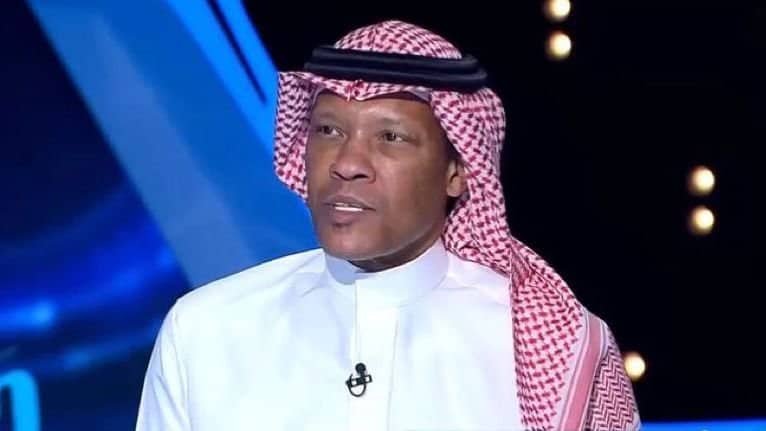

A Saudi sports medicine specialist has strongly refuted recent claims by Uruguayan doctor Gustavo Zerbino regarding the injury crisis at Al-Hilal club. Dr. Abdulaziz Al-Saeed, a prominent figure in the field, has provided a detailed rebuttal while shedding light on the true reasons behind the team’s spate of muscular problems.
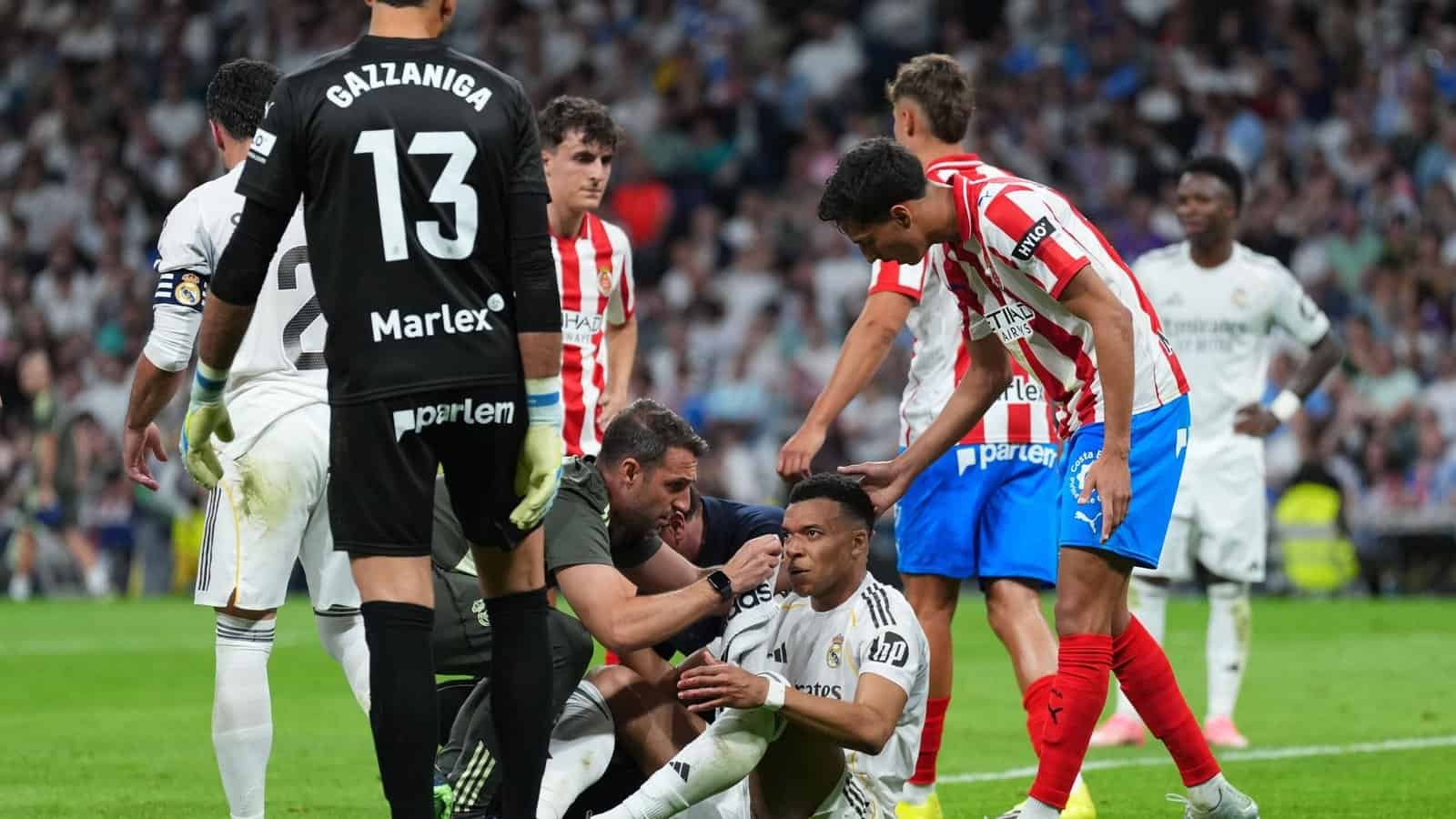
The controversy began when Dr. Zerbino, speaking on Uruguayan radio, suggested that Al-Hilal’s medical staff might be responsible for the injuries plaguing stars like Neymar, Aleksandar Mitrović, and Salem Al-Dawsari. He implied a potential lack of competence, stating, “When you have so many muscle injuries, it is a medical issue.”
Dr. Al-Saeed responded directly to these accusations. “What was stated by the Uruguayan doctor is completely incorrect,” he declared. He emphasized that Al-Hilal’s medical team is “one of the most qualified medical committees not only in Saudi Arabia but at the Asian level,” boasting extensive experience with top-tier athletes.
Instead, Dr. Al-Saeed pointed to the intense and congested match schedule as the primary culprit. He explained that Al-Hilal has faced an exceptionally demanding fixture list, competing across multiple fronts including the Saudi Roshn League, the AFC Champions League, the King’s Cup, and the FIFA Club World Cup. “The team has sometimes played a match every 48 hours,” he noted, highlighting an unsustainable physical load.
Delving into the medical specifics, the Saudi doctor outlined the direct consequences of such a calendar. “This leads to a significant decline in the players’ physical readiness and an increase in the rate of injuries, especially muscle injuries, due to the lack of sufficient recovery time between matches,” he stated. This fatigue, he argued, is the fundamental reason for the injuries to key players, not any failure in medical care.
Dr. Al-Saeed concluded by reaffirming his confidence in the club’s medical protocols. “The treatment and rehabilitation programs for the players are proceeding with high efficiency according to the approved global medical protocols,” he said, effectively closing the door on the external criticism.