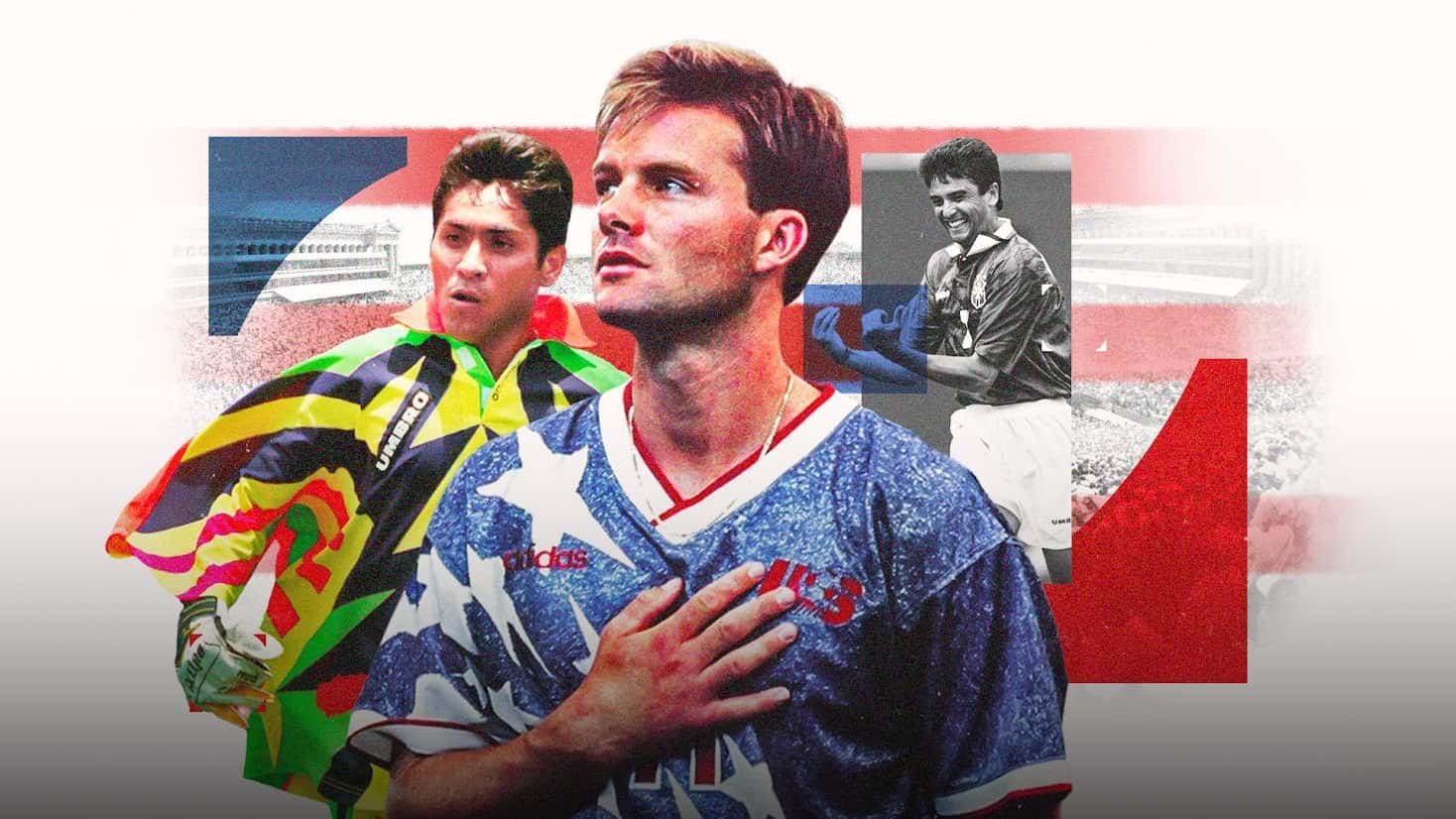
The summer of 1994 was hot, noisy and unlike anything the United States had seen in modern soccer. From the Rose Bowl to Giants Stadium, from the Cotton Bowl to Soldier Field, the FIFA World Cup arrived in America and, in the process, changed the way the country looked at the sport. Packed crowds, global stars and dramatic moments turned a tournament many thought would struggle on U.S. soil into an event that made America believe in the beautiful game.
It was held in brutal heat, with midday kick-offs that left players drenched and fans fanning themselves in the stands. Yet the conditions did not scare people away. Stadiums filled up throughout the competition and the World Cup drew a level of attention that U.S. soccer had rarely experienced. The tournament became a summer-long showcase, not only of football at its highest level, but of how quickly the sport could capture the imagination when given the biggest stage.
The United States, as host nation, had its own story to tell. The pressure was heavy, but the team delivered a moment the home crowd will always remember when it beat Colombia 2-1. It was a result that lifted the tournament atmosphere even further, and it helped the U.S. push through the group stage. The run ended in the round of 16 with a 1-0 defeat to Brazil, but the hosts had shown they could compete, and the tournament had shown the country what elite football felt like.
Beyond the U.S. performances, the 1994 World Cup was built on big names and defining images. Brazil ultimately lifted the trophy, winning the final on penalties after a 0-0 draw with Italy. The decisive moment came when Roberto Baggio sent his spot-kick over the bar, a miss that became one of the enduring snapshots of the competition. It was a dramatic ending to a tournament that seemed to deliver a new highlight every week.
There were also moments of pure spectacle, the kind that turns casual viewers into lifelong fans. Goals, celebrations and tension ran through the competition, and the crowds responded. The World Cup did not feel like a visiting show; it felt like a major American sports event, and that mattered. It proved soccer could draw audiences in the U.S. when presented at the highest level and with real stakes.
What was revealed in the story of that summer is how much the tournament served as a turning point. The 1994 World Cup did not simply visit the United States and leave. It left behind belief — in the sport’s power, in the appetite for it, and in the idea that soccer could take a permanent place in the country’s sporting landscape.
Decades later, the memories remain vivid: the steam rising from the pitches, the sea of shirts in the stands, and the sense that something had shifted. The 1994 World Cup made America believe, and it laid down a lasting marker for soccer’s future in the country.