Football has long held a special place in the hearts of Moroccans, transcending social and geographic divides to emerge as a unifying national passion. From humble neighborhood grounds to the grand stadiums hosting the Africa Cup of Nations (CAN), the sport fuels collective enthusiasm and pride, weaving into the cultural fabric of the country.
Across Morocco, football is more than just a game—it’s a daily ritual that connects communities and nurtures dreams. Local fields, often simple and unadorned, serve as starting points for aspiring talents and avid fans alike. These grassroots settings foster a sense of belonging and provide opportunities for young players to refine their skills, while fans develop a deep-rooted appreciation for the sport’s nuances.
The proliferation of proximity fields in urban and rural areas illustrates the Moroccan commitment to nurturing football from the ground up. Such spaces are vital in promoting physical activity among youth and encouraging social interaction. They often function as informal hubs where generations converge, exchanging experience and passion.
Moreover, these neighborhood pitches are integral in identifying emerging talents who may eventually ascend to professional ranks. Many Moroccan stars trace their careers back to impromptu matches in local communities, where raw skill and love for the game are fostered without the trappings of professional clubs. This grassroots foundation ensures that football remains accessible, inclusive, and deeply entrenched across all layers of society.
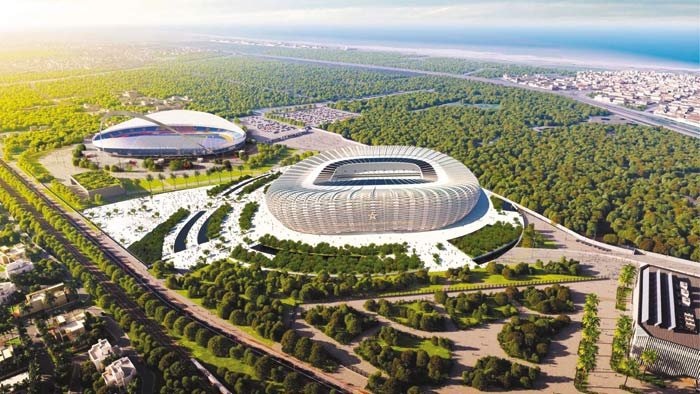
At the national level, Morocco’s commitment to football is clearly demonstrated through infrastructural investments designed to elevate the sport’s profile and accommodate international competitions. The recent hosting of significant tournaments such as the Africa Cup of Nations has catalyzed upgrades to stadiums, enhancing spectator experiences and aligning with global standards.
Stadiums across major cities have undergone modernization, incorporating state-of-the-art facilities and expanded capacities aimed at attracting not only football fans but also international attention. These developments serve dual purposes: celebrating Morocco’s rich football culture and positioning the country as a strategic player within the continental sporting landscape.
Furthermore, hosting prestigious competitions has amplified local enthusiasm and economic activity, reinforcing football’s role as a catalyst for national unity and international solidarity. It has also highlighted logistical and organizational expertise, showcasing Morocco’s readiness to manage events of global stature.
In parallel with physical infrastructure, Morocco places strong emphasis on cultivating football’s institutional framework. The coordination between clubs, sporting federations, and community initiatives reflects a systematic approach to advancing the sport. This synergy not only boosts competitive standards but also emphasizes ethical practices and youth development programs.
The passion for football in Morocco is palpable in everyday life. Streets burst into celebration during major matches, and local media extensively cover national and international tournaments involving Moroccan teams. This enthusiasm fuels a culture where football transcends entertainment to become an emblem of identity and hope.
Looking ahead, Morocco’s football ecosystem is poised for continued growth. Efforts to expand access to quality playing fields, invest in youth academies, and enhance coaching standards remain priorities. Simultaneously, the country’s ambition to host more continental and global events is likely to stimulate further infrastructural and organizational advancements.
As Morocco nurtures the next generation of players and fans, the enduring passion for football will undoubtedly remain a cornerstone of its social and cultural landscape, inspiring pride and fostering community connections for years to come.