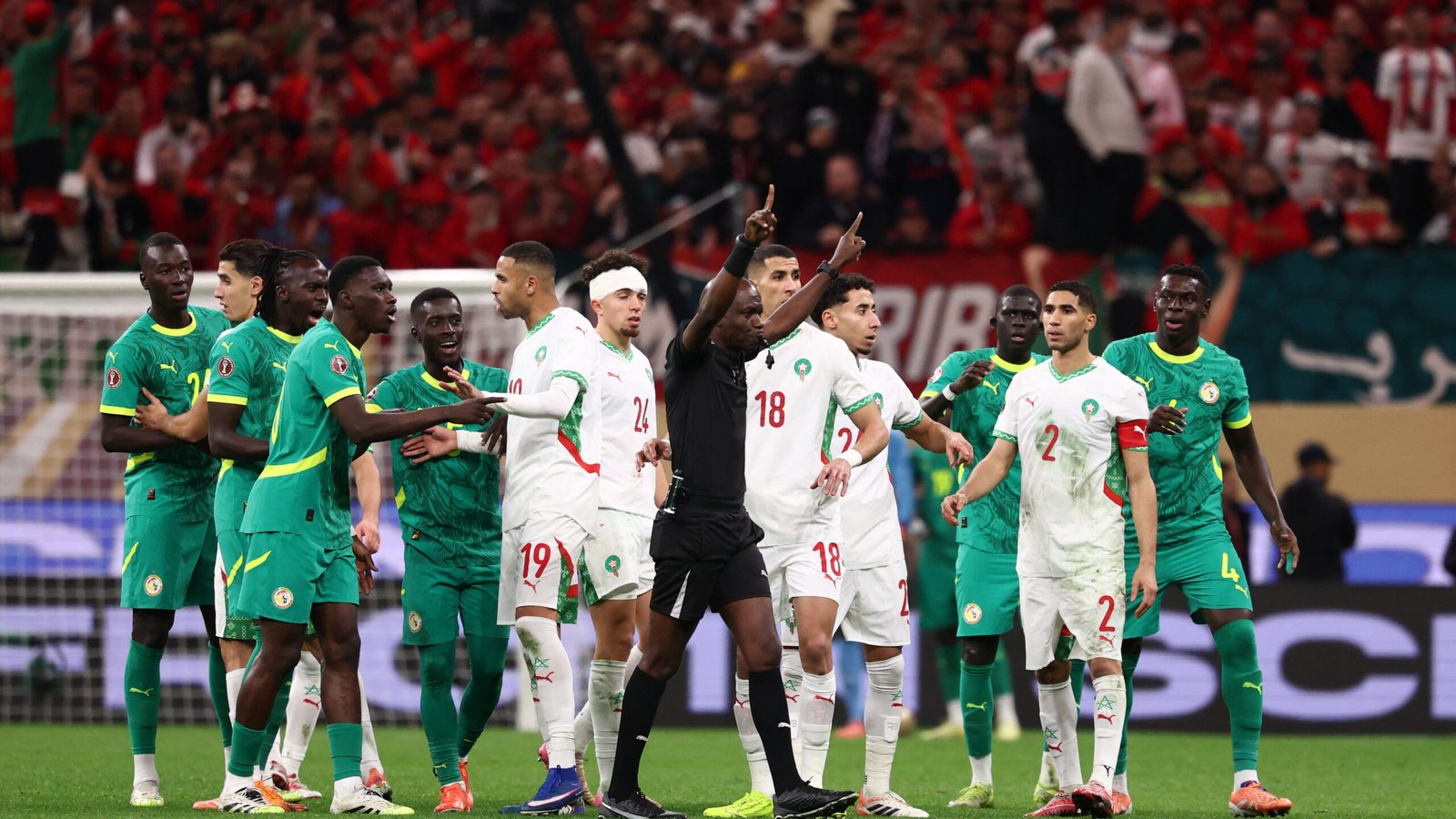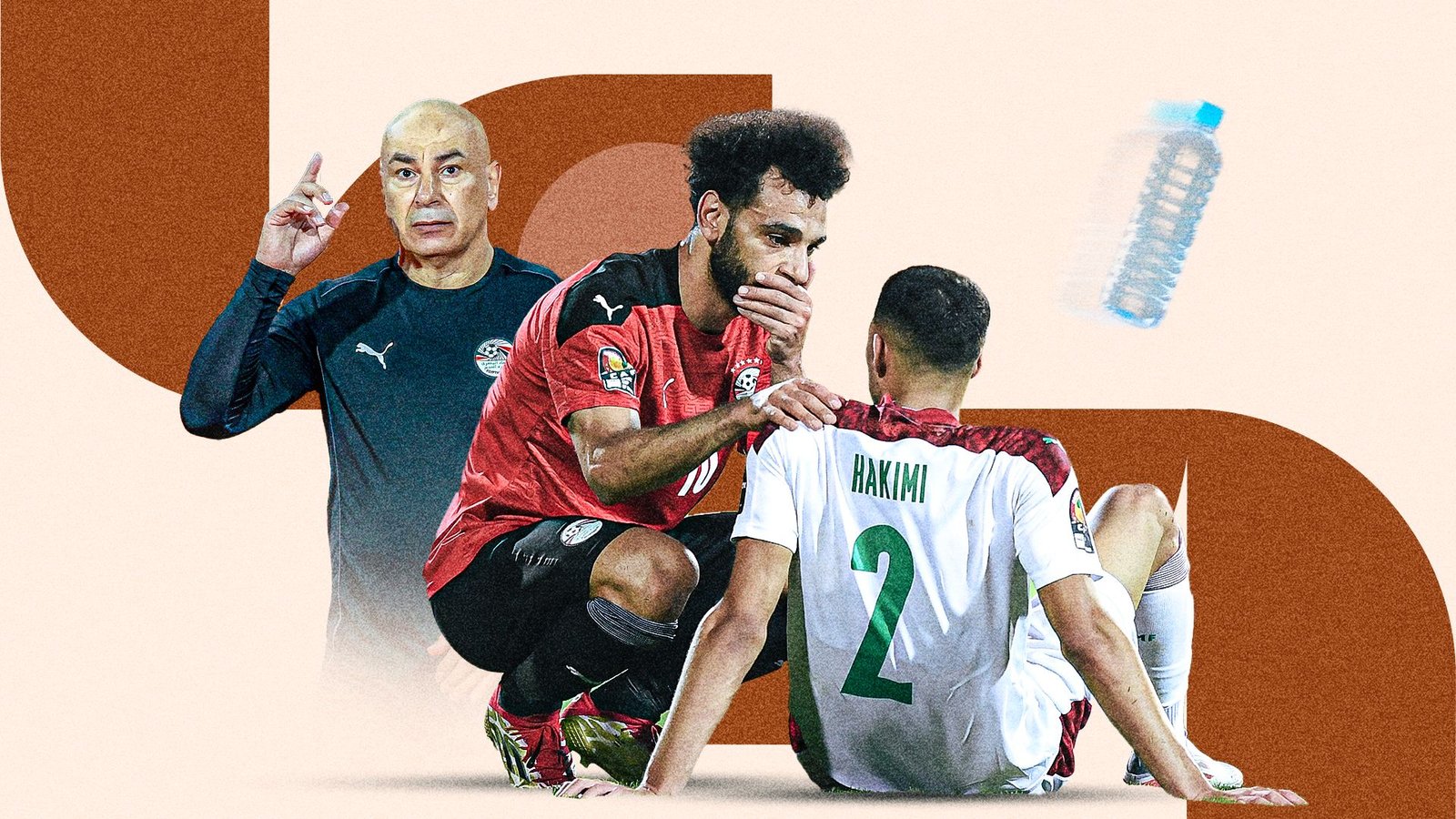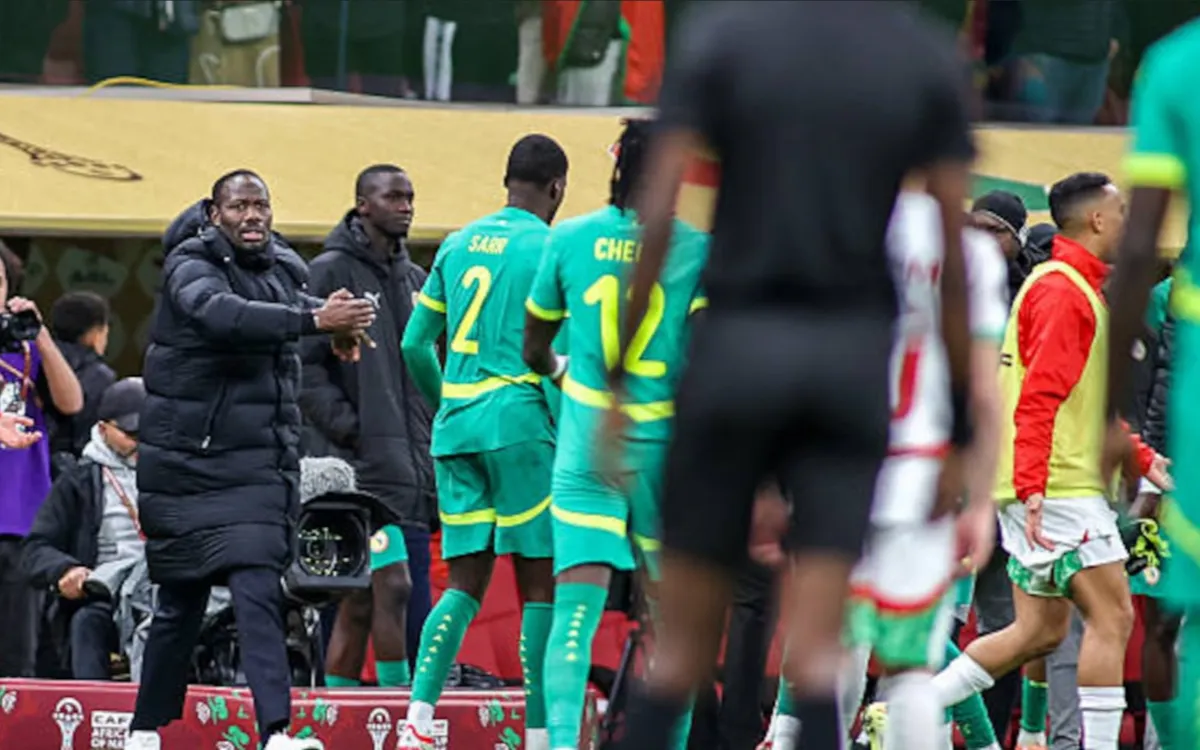
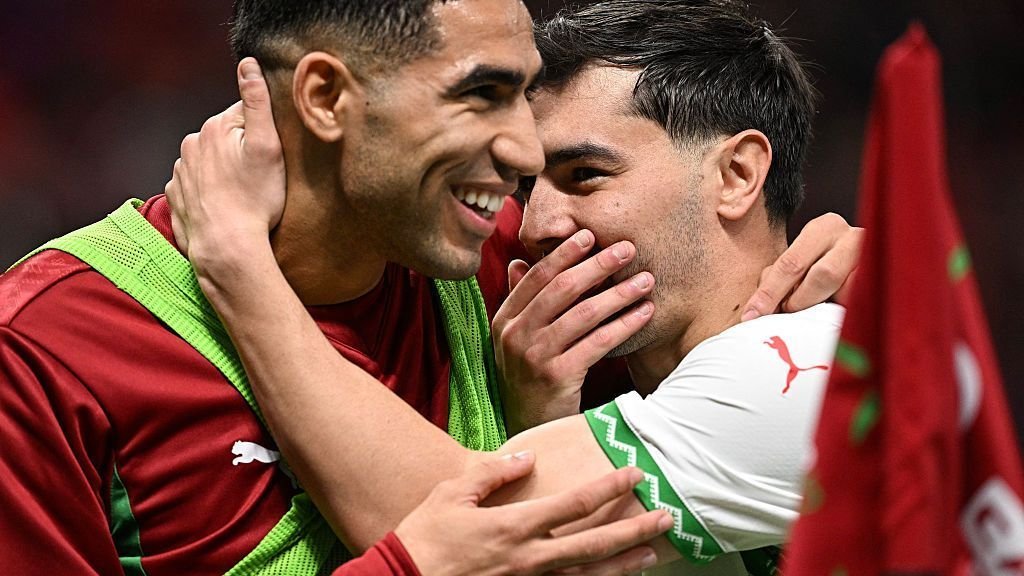
Achraf Hakimi, one of Morocco’s most influential footballers, has been recalled to the national team for the upcoming knockout stages of the 2023 Africa Cup of Nations (AFCON). His return is set to bolster the Atlas Lions’ squad as they prepare to advance in the continent’s premier international tournament, organized by the Confederation of African Football (CAF).
Hakimi’s reintegration into the Moroccan lineup comes after a brief absence due to minor injury concerns and fixture congestion with his club commitments. The 24-year-old right-back, currently starring for Paris Saint-Germain (PSG) in the European football scene, is regarded as one of the finest defenders in the game, known for his pace, technical ability, and offensive contributions. His presence is expected to provide Morocco with both defensive solidity and attacking impetus in crucial knockout matches.
Morocco has enjoyed a strong showing in this edition of AFCON, which takes place in Ivory Coast from January through February 2024. The Atlas Lions topped their group during the initial phase of the tournament, showcasing a blend of experienced campaigners and emerging talent drawn from both domestic leagues such as Botola Pro and major European clubs. Their performances have raised expectations domestically and across the African continent, with fans eager to see the team challenge for its first AFCON title since 1976.
Moroccan football has grown steadily over the last decade, with domestic clubs like Wydad Casablanca, Raja Casablanca, and AS FAR strengthening their reputation in CAF competitions. The Botola Pro league remains a vital talent incubator, feeding the national team with skillful players who complement the diaspora of Moroccan stars playing abroad. Hakimi’s return symbolizes the connection between Morocco’s established football infrastructure and the international success of its national team.
Under the guidance of coach Walid Regragui, the Atlas Lions have developed a tactical discipline and unity that have made them formidable opponents. Regragui, who himself was a prominent figure in Moroccan football as a player and manager, has emphasized a balanced approach combining resilience and creativity. With Hakimi back on the field, Morocco’s flanks are expected to be more dynamic, allowing midfielders and forwards to exploit wider areas and create more goal-scoring opportunities.
In addition to Hakimi, other key players in the squad include Sofyan Amrabat, who plies his trade in Serie A, and Youssef En-Nesyri, a proven goal scorer in La Liga. Their synergy has been crucial in Morocco’s recent positive results. The team’s defensive solidity, combined with an ability to transition quickly into attack, has helped the Atlas Lions navigate tough opponents in the group stage.
The significance of the Africa Cup of Nations for Moroccan football cannot be understated. As one of Africa’s most football-passionate nations, Morocco has long sought to assert its dominance on the continental stage. The country’s investments in football infrastructure—culminating in being a host of the upcoming 2025 Africa Cup of Nations and a strong candidate for the 2030 FIFA World Cup—reflect its ambitions to be a powerhouse in African and global football.
For African football followers worldwide, the tournament is an opportunity to witness rising talents and established stars compete at the highest continental level. Morocco’s blend of domestic and international players provides a compelling narrative, exemplifying how the country bridges local development with global football trends.
As the tournament moves into its high-stakes knockout rounds, Morocco will face increasingly difficult challenges. The return of Achraf Hakimi enhances their tactical options and morale, giving the team a vital edge. Fans and analysts alike will be watching closely to see if the Atlas Lions can translate their group stage success into a deep run, potentially rewriting Morocco’s AFCON history.
Looking ahead, Morocco’s performance in AFCON 2023-24 will influence preparations for future international competitions, including World Cup qualifiers and regional championships. With a talented generation of players emerging and the support of an improving domestic league, the Atlas Lions appear poised to maintain and possibly elevate their status in African football for years to come.