Al Nassr’s push to become a global football power has been built on star names, big fees and even bigger wages. Since Cristiano Ronaldo arrived in Riyadh at the end of 2022, the club has accelerated its recruitment plan, bringing in high-profile talent from Europe and South America—and changing expectations around what success should look like.
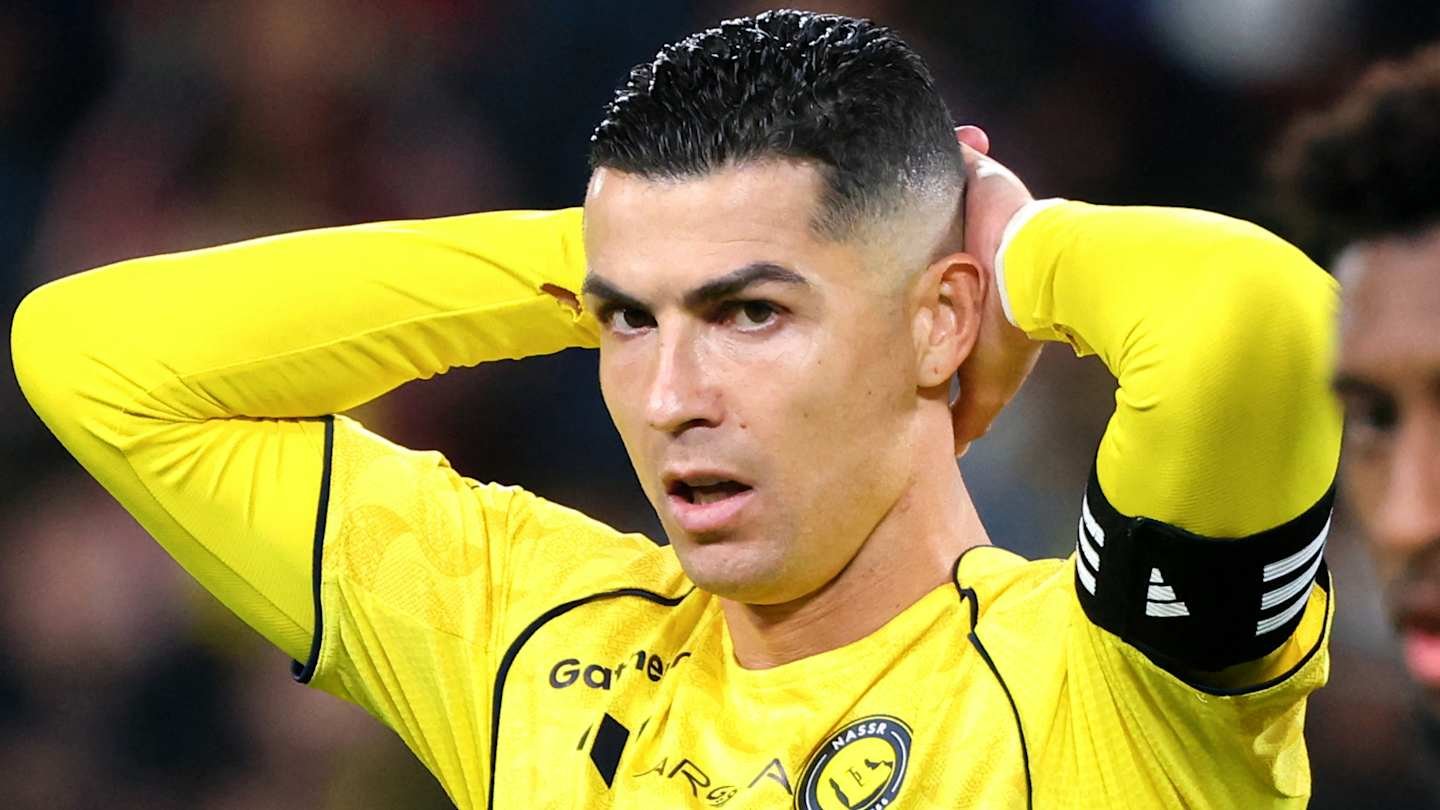
That is why Ronaldo’s recent frustration has landed loudly. The Portugal captain has made it clear he wants a squad capable of winning every major domestic trophy and competing deep into the AFC Champions League. From his point of view, the club’s spending and ambition should translate into titles on the pitch. The question is whether Al Nassr’s biggest transfer moves actually support his argument—or whether the project is still a work in progress.
Ronaldo set the standard
When Ronaldo signed, it wasn’t simply the most famous deal in Saudi Pro League history—it was the statement that opened the door for others. Al Nassr immediately became a destination club, with players willing to consider a move that previously felt unlikely. The marketing impact was obvious, but Ronaldo’s arrival also raised the internal bar. A team led by a five-time Ballon d’Or winner is expected to win.
On the pitch, Ronaldo has delivered goals at a remarkable rate, often carrying Al Nassr in tight moments. Yet, for all that output, major silverware has not been guaranteed. That gap between individual numbers and team success is at the heart of the debate.
Sadio Mané and the European pedigree
The signing of Sadio Mané from Bayern Munich was meant to add another elite attacker with a Champions League résumé. Mané brought pace, pressing and experience of winning at the highest level with Liverpool. In theory, pairing him with Ronaldo was a clear signal that Al Nassr intended to build a frontline capable of overpowering most opponents in the league.
As with many major moves, the reality has been more complicated. Fitting big personalities and different styles into one attack can take time. The talent is unquestionable, but titles depend on cohesion as much as star power.
Aymeric Laporte arrives to fix the back line
If there was one area Al Nassr needed to strengthen to match Ronaldo’s demands, it was defense. The club’s decision to sign Aymeric Laporte from Manchester City addressed that directly. Laporte brought calm distribution, aerial presence and the experience of winning under pressure.
His arrival was also a reminder that Al Nassr weren’t only collecting attackers for headlines. They targeted a defender who had played at the highest tactical level in Europe and could lead a back line in big matches.
Marcelo Brozović and control in midfield
Al Nassr’s recruitment has also focused on building a stronger spine. Marcelo Brozović joined from Inter as one of the most important midfield additions in the league. A player known for dictating tempo and covering ground, Brozović was signed to give Al Nassr more control, especially against opponents who defend deep and counter quickly.
For Ronaldo, that kind of signing matters. A great striker benefits when the team can dominate possession and create steady chances rather than relying on chaotic transitions.
Goalkeeping and the pressure of expectations
High-profile transfers do not just increase quality; they increase scrutiny. Every mistake becomes bigger when a club is stocked with international stars. Al Nassr have looked to strengthen key positions across the pitch in recent windows, but the weight of expectation remains heavy—especially in knockout competitions where a single moment can swing the outcome.
That is partly why Ronaldo’s comments resonate. If a club invests at Al Nassr’s level, patience becomes harder to sell to fans and players alike.
So, is Ronaldo right?
In one sense, Ronaldo has a point. The club has signed players with elite backgrounds—Champions League winners, title winners, international captains. On paper, that should make Al Nassr strong enough to collect major trophies consistently.
But football rarely follows a simple equation of spending equals success. Squad balance, tactical clarity and consistency over a season still decide titles. Al Nassr’s transfer strategy has undoubtedly raised their ceiling, yet turning that into dominance is the next—and hardest—step.
For now, Ronaldo’s frustration reflects the reality of a team that looks like a champion in parts, but is still trying to become one in full.