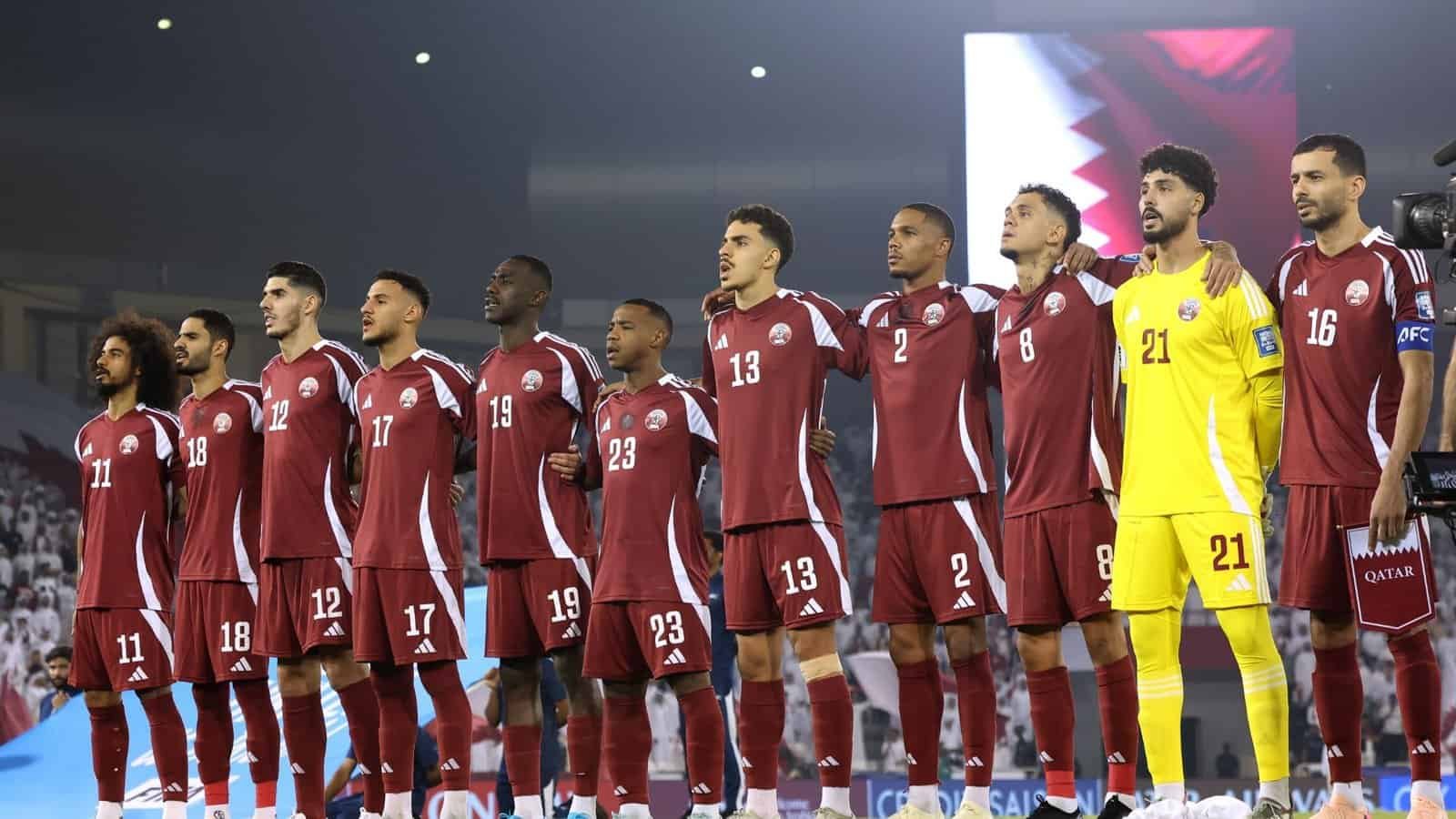

In a stunning move just two years before the tournament kicks off, FIFA has banned several stadiums from hosting matches during the 2026 World Cup in the United States, Mexico, and Canada. The decision, confirmed by the global governing body on Tuesday, May 21, 2024, deals a significant blow to the preparations for the expanded 48-team event.
The ban is a direct result of the stadiums failing to meet the strict technical and infrastructure standards set by FIFA for the world’s biggest football competition. Inspections revealed critical shortcomings in areas deemed non-negotiable for hosting World Cup matches.
Officials from the affected stadiums had been in intense discussions with FIFA over recent months, hoping to find solutions and approve necessary renovation plans. However, these negotiations ultimately reached a dead end. FIFA’s inspections concluded that the required modifications could not be completed to the required standard within the tight timeframe remaining before the summer of 2026.
“The decision was not taken lightly,” a FIFA statement read. “Our primary commitment is to deliver a World Cup that meets the highest expectations for players, teams, and fans worldwide. The listed stadiums, unfortunately, do not currently fulfill the essential criteria for hosting matches in 2026.”
This development forces the local organizing committees in the three host nations to immediately revise their operational plans. They must now redistribute the scheduled matches, which were spread across 16 cities, to the remaining approved venues. The logistical challenge is immense, impacting travel, accommodation, and security plans that have been years in the making.
The news has sent shockwaves through the host countries, particularly in the cities whose stadiums have been excluded. Local officials expressed deep disappointment, with one mayor calling the ruling “a catastrophic decision for our community and our fans.” The economic impact on these cities, which were counting on a massive tourism boost, is expected to be severe.
With the clock ticking toward 2026, FIFA and the organizers now face a race against time to re-organize the tournament layout and ensure all preparations in the approved stadiums are accelerated to perfection.