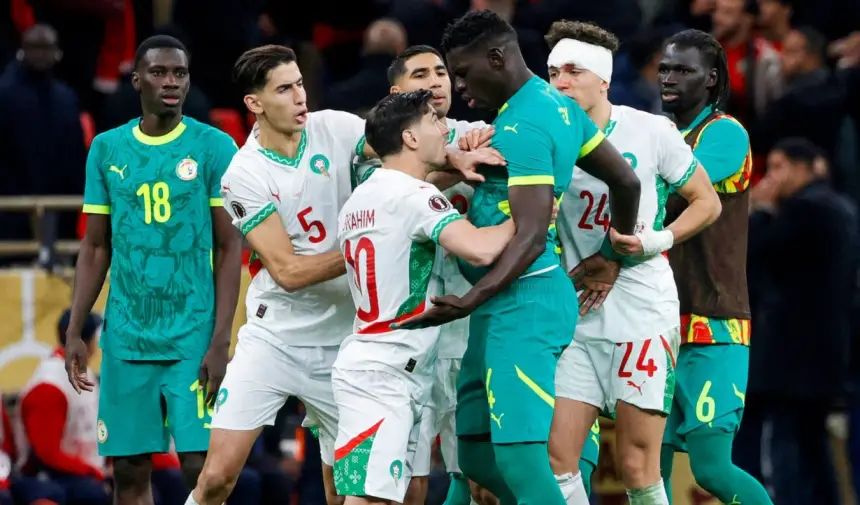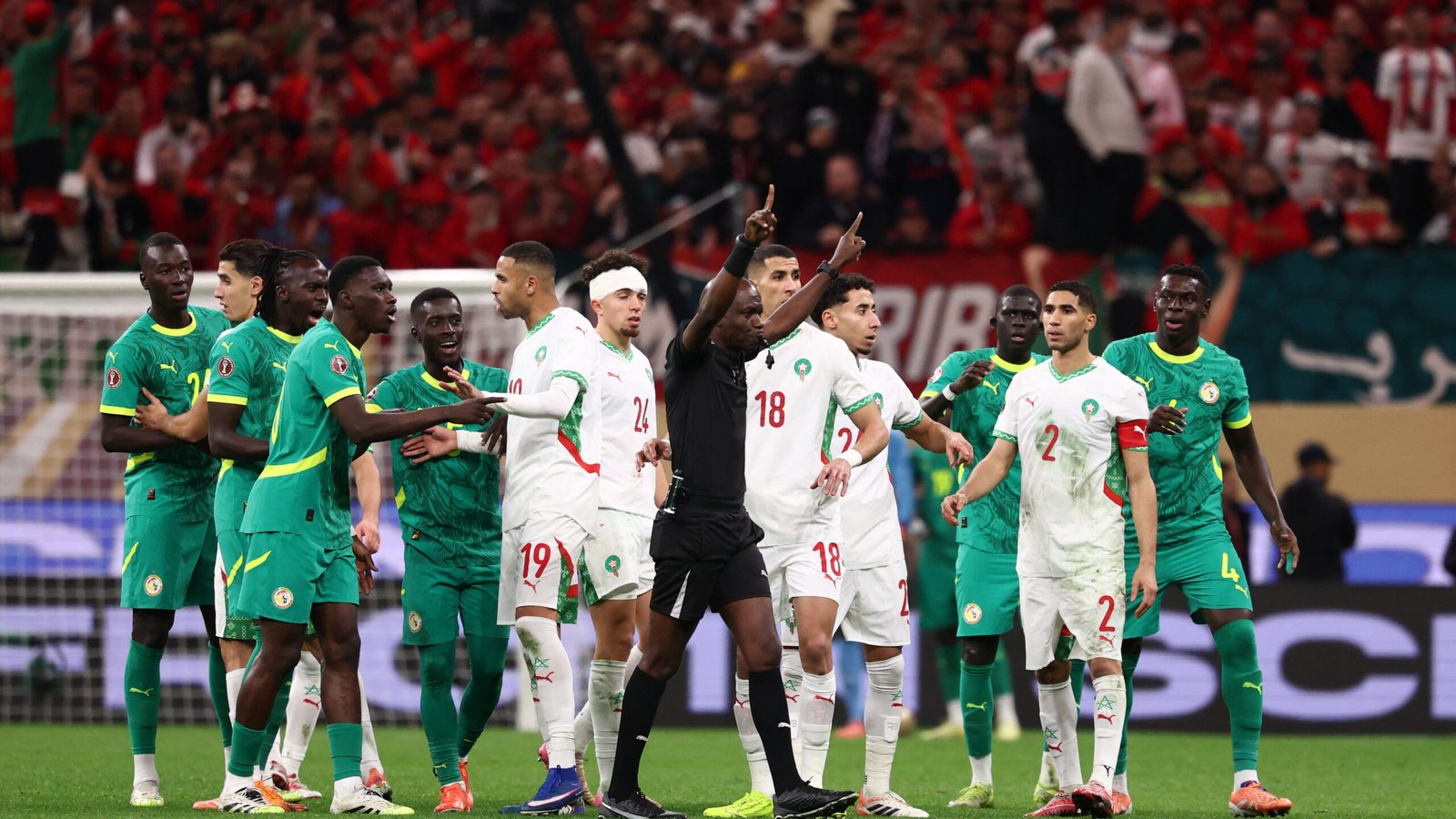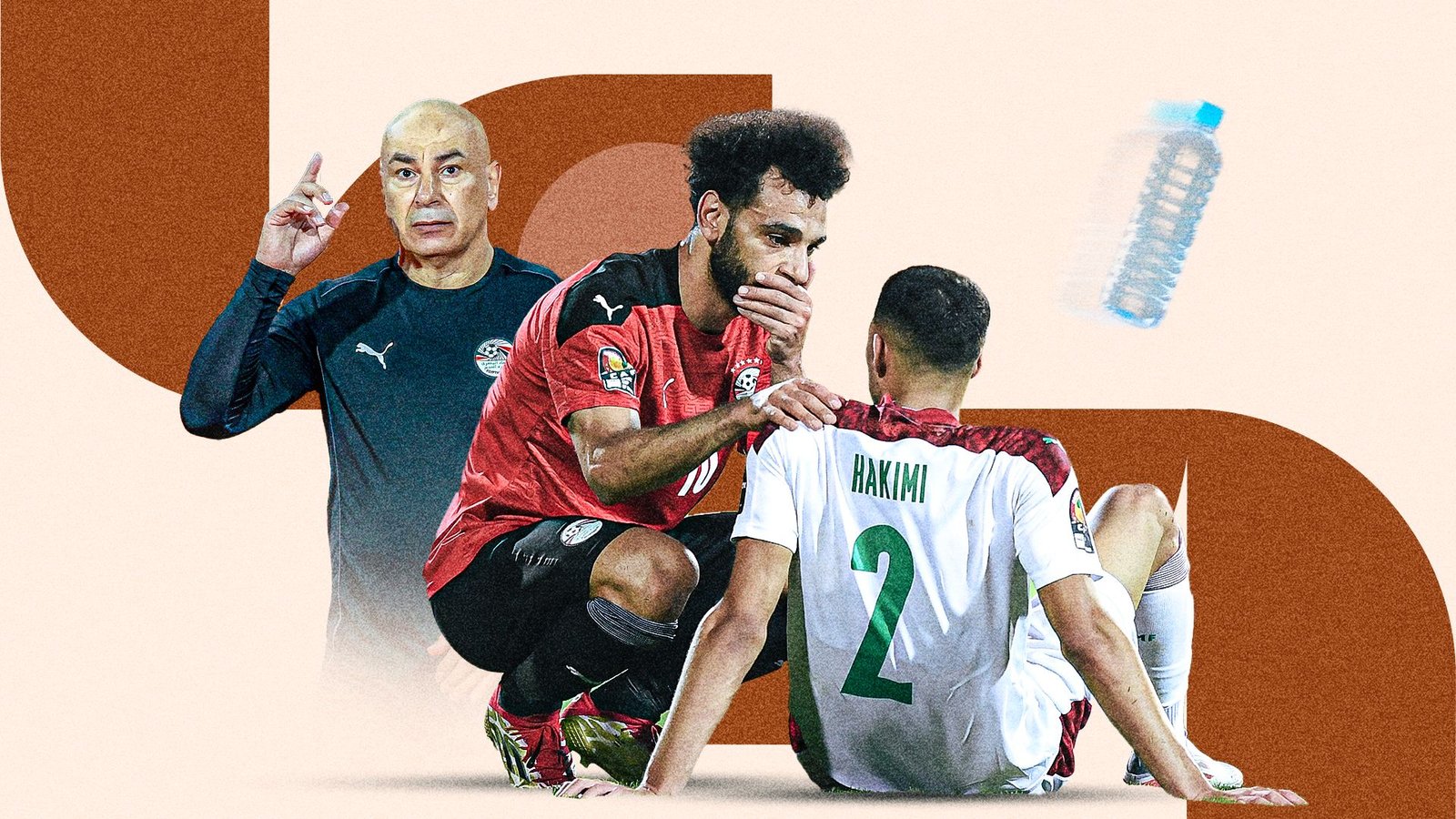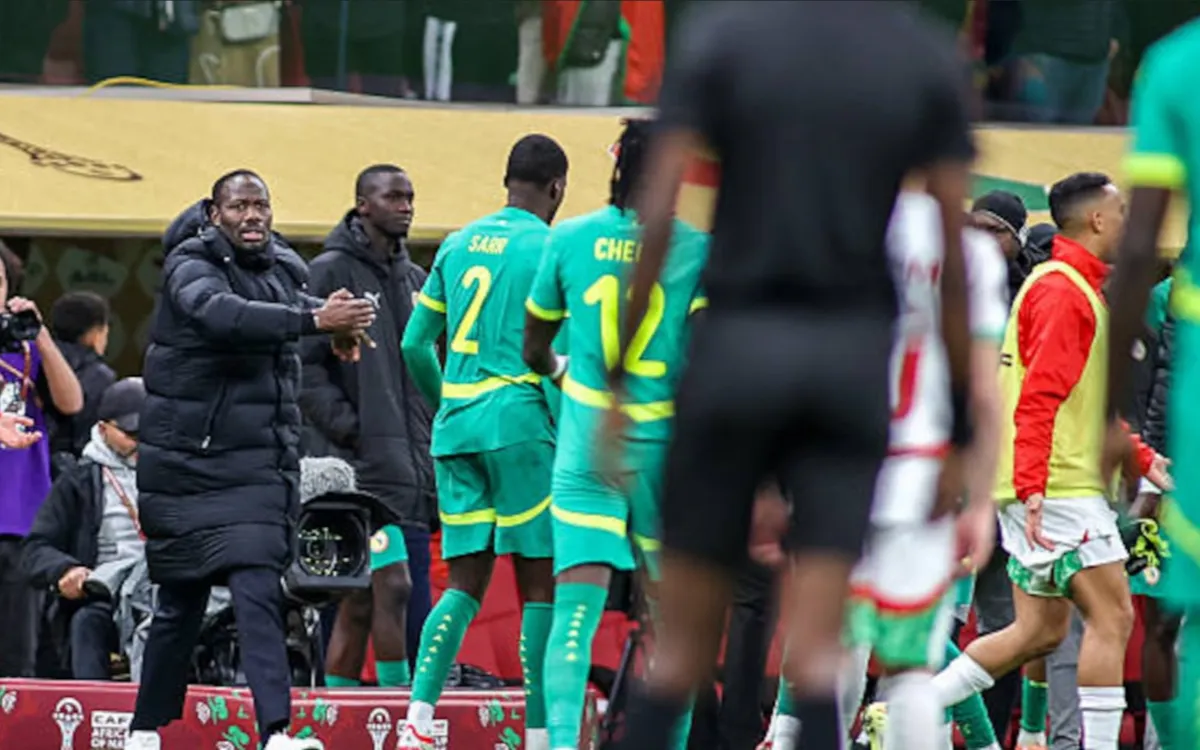
The dispute between Morocco’s football authorities and the Confederation of African Football (CAF) has returned to the spotlight, after the long-running case known as the “suspended competition” reopened old tensions between the two sides.
The case dates back to the 2015 Africa Cup of Nations, when Morocco was due to host the tournament before requesting a postponement because of the Ebola outbreak. CAF refused the request and later removed the tournament from Morocco, handing hosting rights to Equatorial Guinea.
CAF also imposed disciplinary sanctions on Morocco, including a ban from the next two editions of the Africa Cup of Nations and a financial penalty. Morocco rejected the decision and took the matter to the Court of Arbitration for Sport (CAS), arguing that the measures were excessive.
CAS later ruled in Morocco’s favor on the sporting sanctions, cancelling the ban, while maintaining the financial aspects of the case. The decision allowed Morocco to return to CAF competitions, ending a period of open fallout between the federation and the continental body.
Despite the legal ruling, the file has remained a reference point in the relationship between Morocco and CAF, and it continues to be cited whenever governance and disciplinary decisions come under debate.
The case revealed how far a dispute between a host nation and CAF can go, and how a final ruling can reshape the balance between sporting punishment and legal appeals in African football.