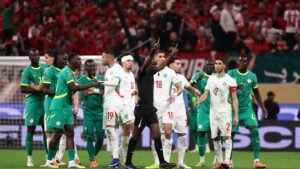

On November 2, 2025, the Moroccan football scene witnessed a full schedule of pivotal matches across various competitions, drawing significant attention both locally and across Africa. As the 2025/2026 season progresses in the Botola Pro, Morocco’s premier professional league, fans and analysts alike are closely monitoring the form of top clubs vying for domestic glory and continental qualification.
The Botola Pro, administrated by the Royal Moroccan Football Federation and recognized by the Confederation of African Football (CAF), remains a critical pathway for Moroccan teams aiming to make their mark in the CAF Champions League and CAF Confederation Cup. This structure elevates the importance of each fixture, especially as leading clubs look to secure points in the highly competitive league.
Among the most anticipated matches on this day were those involving some of Morocco’s traditional powerhouses. Raja Club Athletic, Wydad Athletic Club, and AS FAR played high-stakes matches as they strive to maintain or improve their positions on the league table. These clubs not only boast rich histories within Morocco but also carry the aspirations of millions of fans who passionately support the Atlas Lions—the Moroccan national team—by following their domestic heroes.
In the early kickoff, Raja Casablanca showcased their trademark attacking flair in a challenging encounter that tested their resilience. The club, known for its vibrant fanbase and continental success, continues to produce talented homegrown players who contribute both domestically and to the broader Moroccan national team setup. The development and integration of youth prospects from Botola clubs into the Atlas Lions squad remain a focal point for Moroccan football’s sustained progress.
Simultaneously, Wydad Casablanca, reigning champions in various recent seasons, demonstrated tactical discipline and depth, proving why they are consistent contenders in both domestic and CAF competitions. Their strategic approach to balancing league commitments with continental fixtures reflects a modernized Moroccan club structure focused on maintaining regional dominance and enhancing player valorization in global markets.
Another noteworthy fixture was AS FAR’s clash against a determined opponent in the upper half of the table. As the club affiliated with the Moroccan military, AS FAR combines a unique institutional backing with a staunch commitment to football excellence, often producing players who transition seamlessly to the Atlas Lions. Their ongoing rivalry with other Casablanca giants fuels much of the competitive intensity seen in the Botola.
From a player performance perspective, several Moroccan stars stood out on November 2. Emerging talents demonstrated their potential to rise through the ranks, supported by rigorous youth development programs increasingly prevalent in Moroccan football academies. Many of these players have caught the eye of scouts across Africa and Europe, highlighting the Botola Pro’s role as both a competitive league and a talent incubator.
The role of CAF in organizing and regulating these competitions cannot be overstated. Through its efforts, Moroccan clubs gain crucial exposure on larger continental stages, particularly in CAF’s interclub tournaments. These tournaments allow domestic champions and runners-up to face some of the best African clubs, fostering competitive benchmarks that translate into elevated standards within Morocco’s own league.
The emphasis on strong club performances during this period also coincides with broader ambitions for the Atlas Lions. Morocco’s national team, often composed predominantly of players from domestic clubs alongside those playing abroad, depends heavily on the vitality and form of its local leagues. Continued success in the Botola Pro directly contributes to the national team’s preparations for international tournaments such as the Africa Cup of Nations and FIFA World Cup qualifiers.
Furthermore, recent infrastructural investments in stadiums and training facilities across Morocco underpin an enhanced professional environment. This environment aids in attracting regional talents and retaining promising Moroccan players who might otherwise move abroad prematurely. These developments align with Morocco’s long-term vision of becoming a continental football powerhouse.
In conclusion, the matches held on November 2 showcased the dynamism and competitive breadth of Moroccan football. With several clubs battling for top honors in the Botola Pro and aiming to secure spots on continental stages via CAF competitions, the Moroccan football calendar remains packed with excitement and high-quality action.
Looking ahead, the focus will remain on sustaining competitive balance within the league, bolstering youth development pathways, and achieving greater success in CAF tournaments. As the season unfolds, Moroccan football enthusiasts can expect thrilling encounters and the continued rise of talent that will not only captivate local fans but also strengthen Morocco’s position on the African and global football stage.