“`html
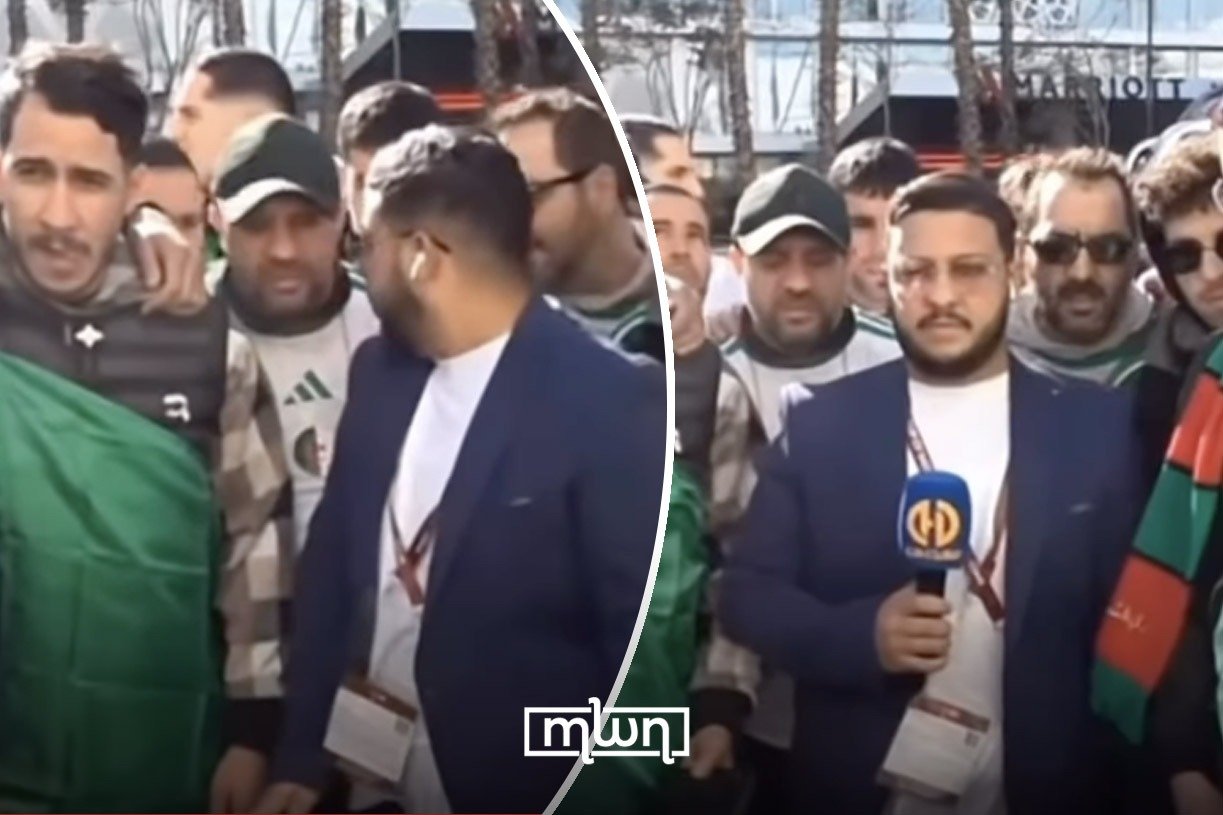
The ongoing Africa Cup of Nations (AFCON) tournament has experienced an unexpected moment of controversy following a viral video featuring an Algerian sports reporter seemingly encouraging passionate fan behavior during his live coverage. The incident has sparked widespread discussion across North African football circles, highlighting the delicate balance between media professionalism and fan engagement in the region’s most-watched sporting event.
The footage, which quickly circulated on social media platforms, shows the reporter addressing viewers with visible enthusiasm, seemingly prompting Algerian supporters to vocally back their national team during a high-stakes match. Observers noted the reporter’s animated demeanor as a departure from the typically neutral and measured tone expected in sports journalism. This has raised questions about journalistic ethics and the role of media figures in influencing fan conduct.
To understand the context behind this episode, it is important to appreciate the intense regional rivalry and footballing passion shared by North African countries, particularly Algeria and Morocco. The Maghreb foothold in African football is significant, with both nations regularly producing competitive teams and talented players who compete vigorously in regional and continental tournaments such as AFCON and the CAF Champions League. Morocco’s domestic league, Botola Pro, and Algeria’s Ligue Professionnelle 1 have been crucial in developing football talent that often transitions to the international stage.
The Algerian national team, also known as the Desert Foxes, has a rich history in AFCON, having captured the title multiple times and consistently featuring as contenders. Meanwhile, Morocco’s Atlas Lions have also made significant strides in recent years, exemplifying the growing competitiveness of North African football within the CAF (Confederation of African Football) framework. Players from both countries often command respect both in Africa and worldwide, making matches between these neighbors highly charged encounters that extend beyond just sport.
Against this backdrop, the role of journalists and commentators becomes critically important. They are expected to maintain impartiality while providing insightful analysis and fostering a respectful atmosphere for football fans. The perceived incitement by the Algerian reporter has thus been met with mixed reactions: some supporters praise the passionate support as a heartening display of national pride, while others caution that such actions risk inflaming tensions and detract from the sport’s integrity.
The incident also comes at a time when CAF continues to emphasize fair play, respect, and sportsmanship during its flagship tournaments. CAF’s regulations include strict codes of conduct for media personnel to ensure that coverage remains unbiased and promotes positive fan behavior. Infractions could lead to sanctions, including warnings or fines, underscoring the responsibility media bodies bear in shaping public perceptions of African football.
In Morocco, football officials and fans are accustomed to high levels of scrutiny, with the Botola Pro league under constant observation by CAF and international scouts. Moroccan clubs have historically been powerhouses in African club competitions, with teams such as Wydad Casablanca and Raja Casablanca enjoying continental success and contributing significantly to the national team’s talent pool. The pressure on players, staff, and broadcasters to uphold standards during events like AFCON is intense, reflecting the game’s cultural importance across the region.
Moreover, Morocco’s recent investments in football infrastructure, youth academies, and international partnerships have bolstered their standing in African football. The Atlas Lions’ strong performances at AFCON and FIFA tournaments have further increased the spotlight on media portrayals and fan engagement during such high-profile games.
Experts in sports media stress that while national pride fuels much of the passion surrounding AFCON, maintaining journalistic integrity ensures that football can serve as a unifying force rather than a source of division. This incident with the Algerian reporter serves as a timely reminder of the fine line broadcasters walk when covering fervent supporters in a context charged with historical and political undertones.
Moving forward, it is anticipated that both CAF and national football federations will revisit their guidelines for media conduct during major tournaments to prevent similar situations. Enhanced training for reporters and clear communication of expectations could help maintain the spirit of competition while safeguarding the professionalism needed in sports journalism.
As the current AFCON tournament progresses, attention will also remain on North African teams, including Morocco’s Atlas Lions and Algeria’s Desert Foxes, as they strive to claim continental glory. Their performances and the conduct surrounding their matches will undoubtedly continue to draw international interest, showcasing the passion and talent that define football across the Maghreb and the broader African continent.
“`