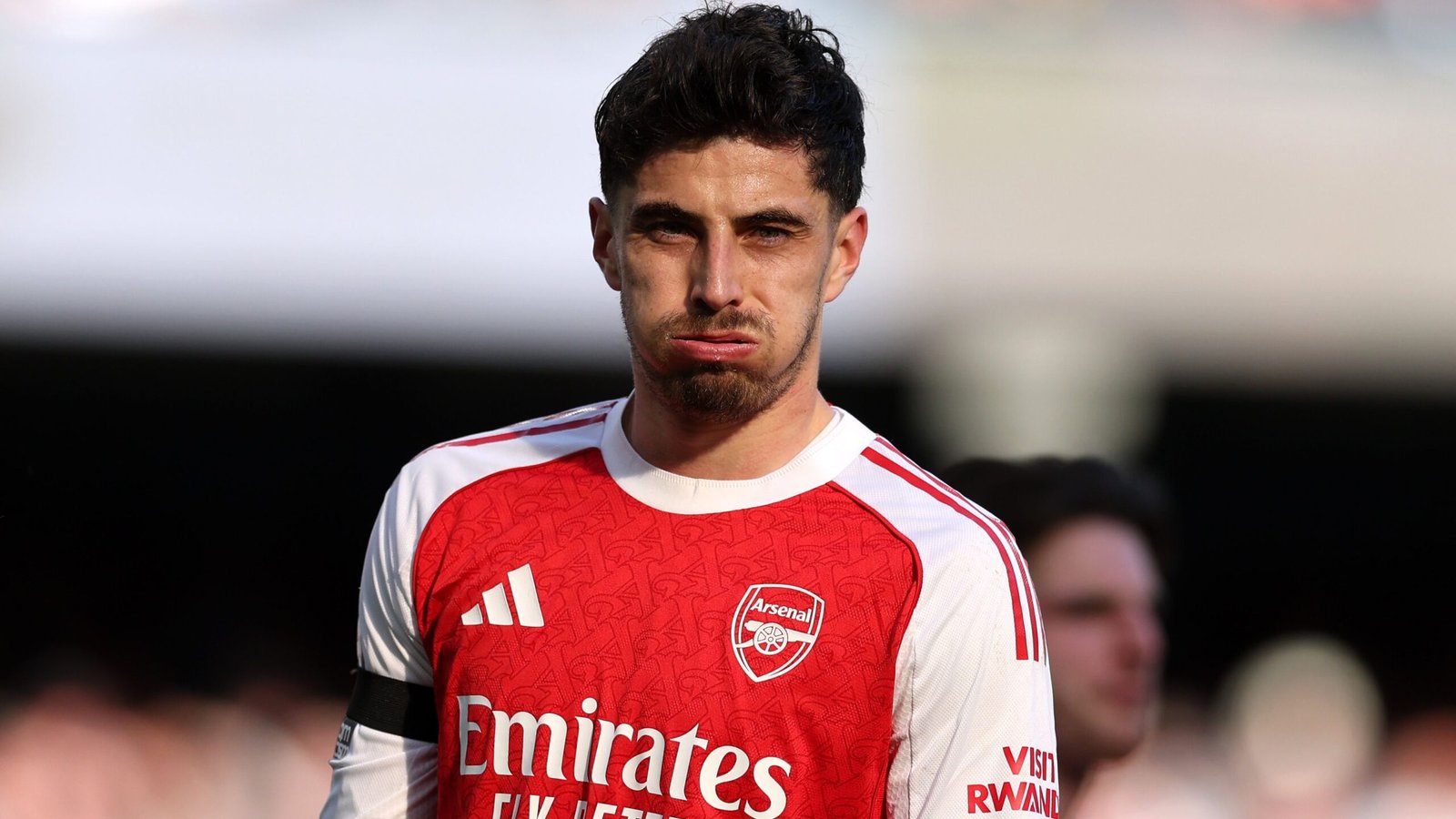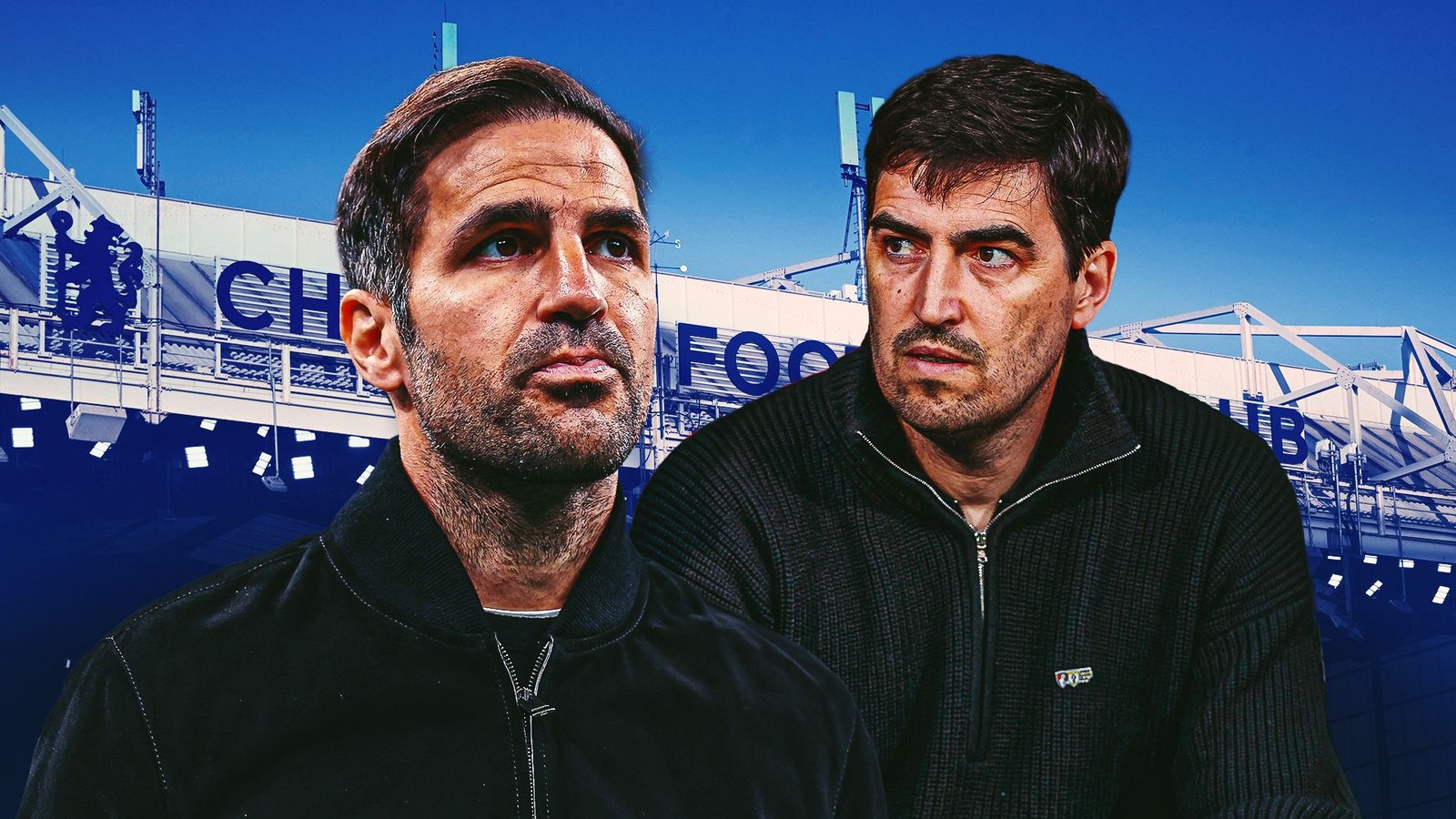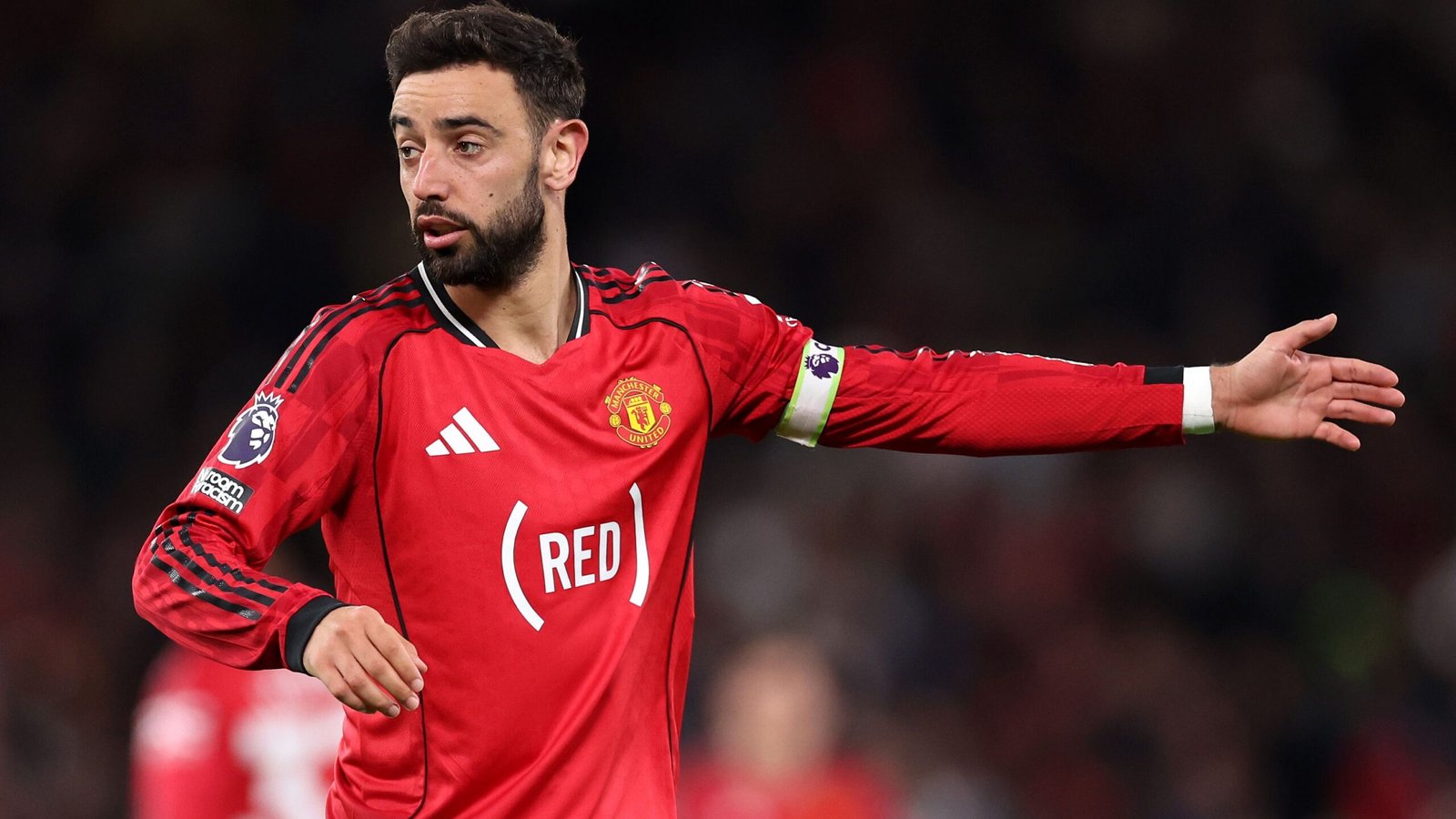
The Premier League’s so-called “big six” is a nickname used to describe the group of clubs that, for much of the modern era, have been seen as English football’s strongest and most influential sides.
The term refers to Manchester United, Manchester City, Liverpool, Chelsea, Arsenal and Tottenham. They are often grouped together because of their regular presence near the top of the table, their ability to attract top players and managers, and the financial power that comes with large global fanbases and commercial deals.
While the label is widely used by fans and media, it is not an official Premier League category. It has grown in popularity as these clubs repeatedly dominated the battle for Champions League places and, in many seasons, shaped the title race.
The make-up of the group has also reflected changes in English football over time. Manchester United’s long spell of success helped define the early years of the Premier League era, before Chelsea’s rise in the 2000s and Manchester City’s emergence in the 2010s shifted the balance of power at the top.
Arsenal and Liverpool have remained leading forces across different periods, while Tottenham have strengthened their standing in the division through consistent top-four challenges in recent years, even as other clubs have occasionally broken into European spots.
The nickname is often referenced in discussions about spending, squad depth, fixture scheduling and television coverage, with the biggest games between these teams regularly billed as headline matches in the calendar.
In short, “big six” has become a useful shorthand for the clubs most associated with sustained success and commercial weight in the Premier League — even if results on the pitch can still shift from season to season.