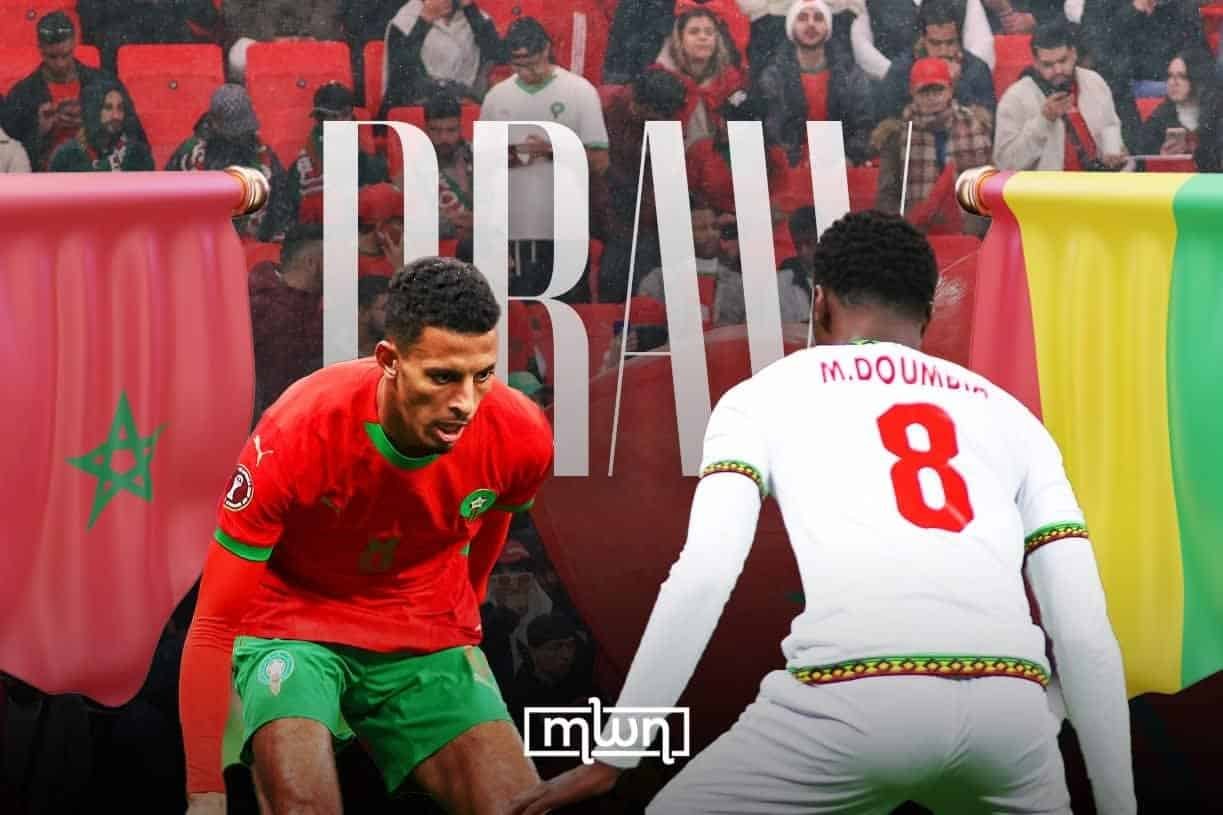
Morocco’s stalemate with Mali at the Africa Cup of Nations has left the Atlas Lions with points on the board but plenty to rethink, as the tournament’s margins continue to punish sides that fail to turn control into goals.
In a match that promised high tempo and decisive moments, both teams ultimately cancelled each other out, with Morocco enjoying longer spells of possession and Mali matching them with physicality, structure and timely interventions. The result keeps Morocco within reach of their group objectives, but the performance raised questions about sharpness in the final third and concentration in key phases.
Morocco’s control, Mali’s resilience
Morocco looked comfortable building from the back and progressing through midfield, often finding pockets of space between Mali’s lines. However, the clearest openings were limited, with the final pass frequently lacking the precision needed to transform approach play into genuine scoring chances.
Mali, for their part, defended compactly and broke with purpose when opportunities emerged. Their work without the ball frustrated Morocco’s wide combinations and reduced the effectiveness of overlapping runs, forcing play into crowded central areas and inviting longer-range attempts.
Finishing and decision-making under scrutiny
While Morocco managed to sustain pressure for long stretches, the inability to capitalise proved costly. Several promising moves ended with rushed shots, delayed releases, or crosses that failed to find a target. The draw highlighted a recurring tournament theme: dominance means little without efficiency.
Coaches and players alike have stressed throughout AFCON that knockout-stage football begins in the group phase, where dropped points can alter the entire path of a campaign. For Morocco, the Mali match served as a reminder that control must be paired with consistent end product.
Areas for improvement ahead
Morocco’s immediate focus will turn to improving their attacking cohesion—especially the timing of runs into the box and the speed of circulation around Mali’s defensive block. Greater urgency when transitioning from midfield into the final third could help create higher-quality shots rather than relying on low-percentage efforts.
There will also be attention on managing game rhythm. At times, Morocco’s tempo dipped, allowing Mali to reset defensively. In a competition where opponents are organised and physically intense, sustaining pressure and forcing defensive errors often becomes the most reliable route to goals.
What the draw means
The point keeps both Morocco and Mali in contention, but it tightens the margin for error. With the group stage moving quickly, Morocco will be expected to respond with a more clinical performance in their next outing—one that matches their ambition with the decisive edge required to go deep in AFCON.
For Mali, the draw reinforces their credentials as a disciplined, difficult opponent capable of protecting results against heavyweight sides. As the tournament progresses, that resilience could prove just as valuable as attacking flair.