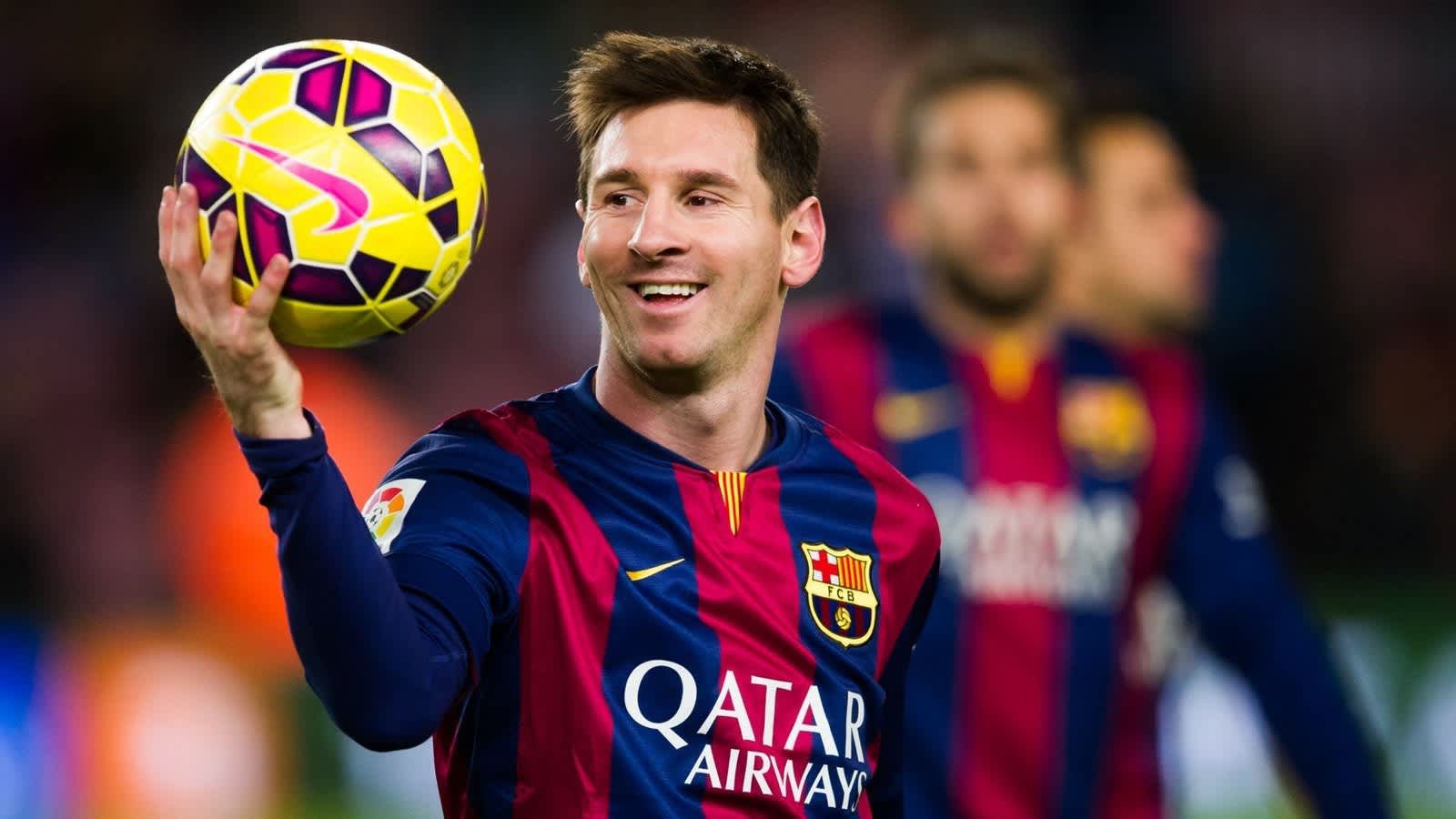
Barcelona’s presidential candidate Joan Laporta has renewed hopes of a possible return for Lionel Messi, insisting that the club’s iconic forward remains deeply connected to the Catalan giants and is essential to their long-term ambitions. Speaking ahead of the upcoming elections, Laporta emphasized that bringing Messi back to Camp Nou would not only be a matter of club pride but also a strategic move vital to Barcelona’s future success.
Laporta, who previously served as Barcelona president during one of the club’s most successful periods, including Messi’s golden era, remains confident in the Argentine superstar’s willingness to consider a comeback. “I am sure Lionel Messi wants to return to Barcelona,” Laporta declared, highlighting the emotional and historical ties the player maintains with the club and its supporters.
Since his departure in 2021, when financial constraints forced Barcelona to part ways with their long-standing talisman, Messi has continued his illustrious career in the United States with Inter Miami. Despite thriving in the Major League Soccer environment and further cementing his global legacy, speculation around a future reunion with Barcelona continues to stir excitement among fans and pundits alike.
Laporta’s assertion comes amid a backdrop of significant rebuilding efforts at Barcelona. The club is currently navigating a crucial transitional phase, aiming to restore its competitive edge both domestically and in European competitions. According to the presidential hopeful, re-signing Messi could be a cornerstone in reestablishing Barcelona’s dominance and revitalizing the club’s brand worldwide.
“Lionel’s return would be more than symbolic,” Laporta explained. “It would inject not only unparalleled talent but also leadership and inspiration. He is a living embodiment of the values and identity of Barcelona.”
While no formal negotiations have been reported between Messi and the club at this stage, Laporta’s comments have reignited discussions about the practicalities and implications of a potential transfer. The financial challenges that previously hindered Barcelona’s ability to retain Messi remain a significant consideration. However, Laporta remains optimistic that solutions can be found to accommodate the seven-time Ballon d’Or winner if the political and economic conditions align.
Messi himself has been open about his affection for Barcelona in numerous interviews, often describing the club as “home.” His enduring connection to the city, the fans, and the club’s philosophy fosters belief amongst supporters that a homecoming might be feasible at some point in the future.
In addition to on-field benefits, Messi’s return could also have substantial commercial and cultural impacts. Barcelona’s global brand has faced challenges in recent years, and reinstating a player of Messi’s stature could galvanize the club’s marketing efforts, sponsorship deals, and overall international profile.
As the presidential election approaches, Laporta’s promise to explore the possibility of Messi’s return forms part of a broader campaign message focusing on ambition, nostalgia, and renewal. Whether this vision becomes a reality will depend on multiple factors, including club governance, financial strategy, and Messi’s personal career plans.
For now, the prospect of seeing Messi don the Barcelona kit once again serves as a beacon of hope for fans eager to witness their legendary player finish his career where it all began, rekindling memories of one of football’s most extraordinary chapters.