
“`html
As the football season progresses, several compelling narratives are emerging that capture the attention of fans, pundits, and analysts alike. From tactical evolutions to unexpected player performances, today’s insights offer a comprehensive look at the shifting dynamics within the sport.
One of the most talked-about developments revolves around the transformation of certain teams’ playing styles. Managers have increasingly embraced flexible formations, blending traditional strategies with innovative pressing mechanisms. This shift reflects a broader trend where adaptability has become crucial for sustained success in highly competitive leagues.
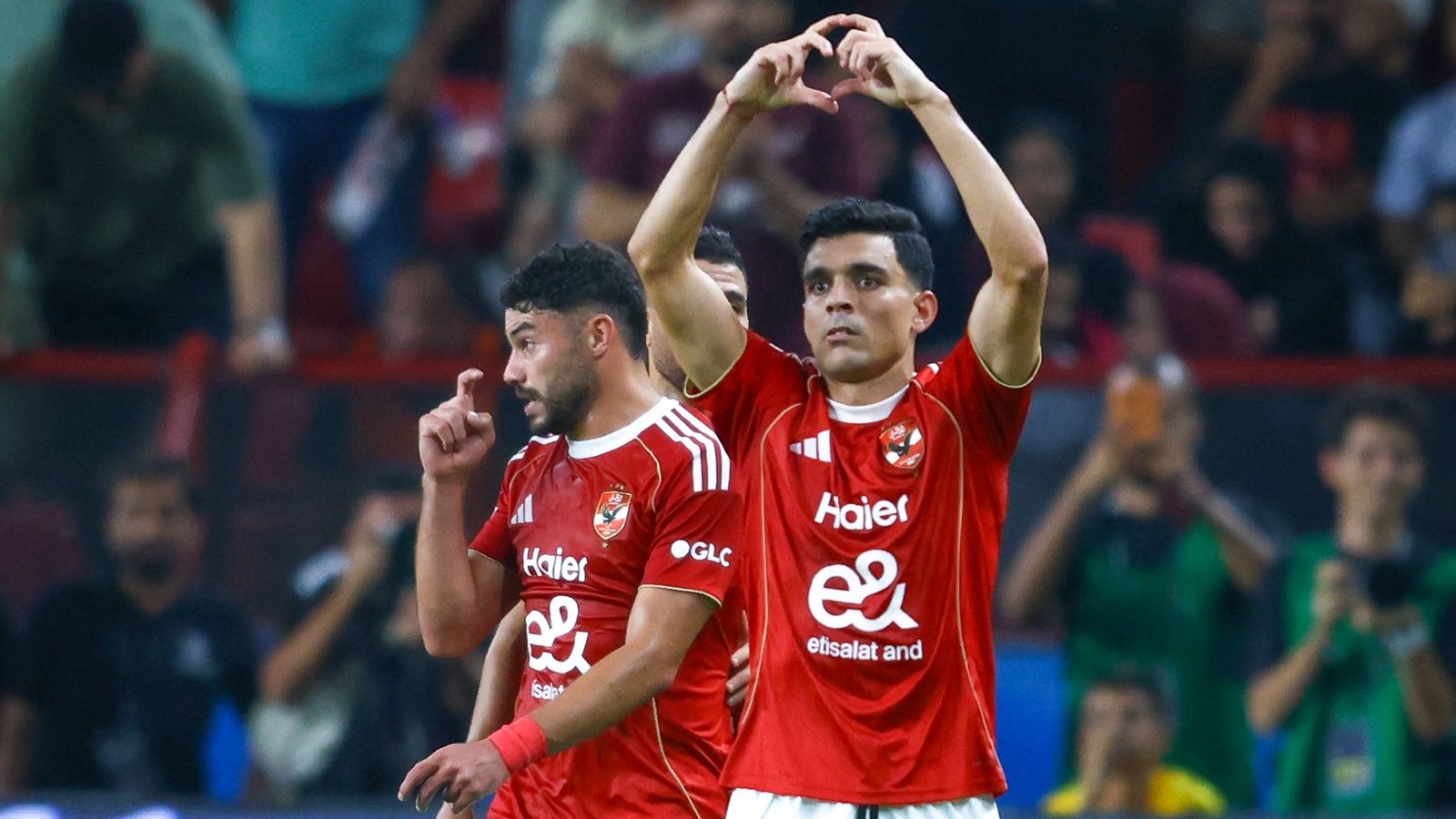
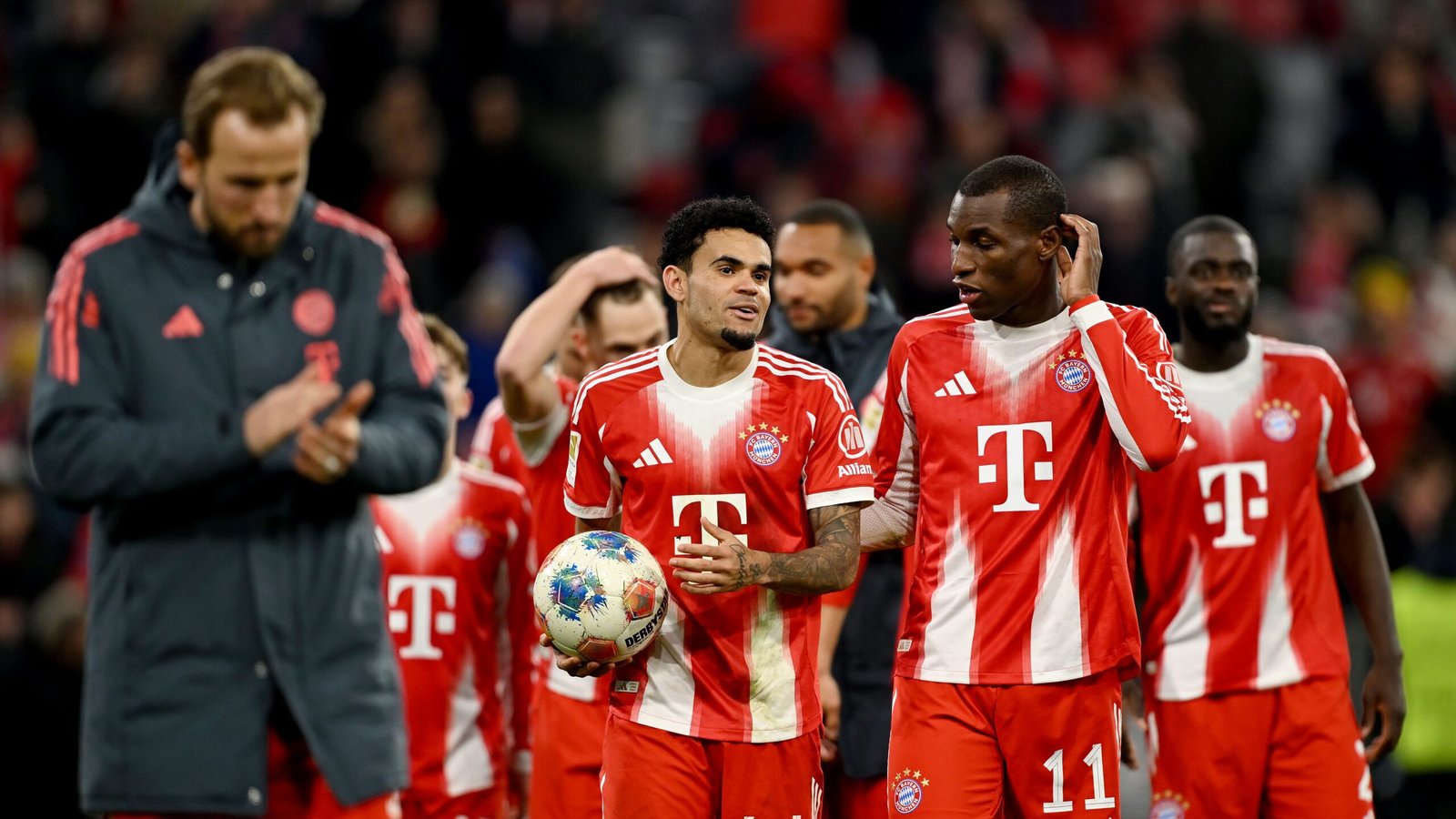
Furthermore, individual brilliance continues to shape the course of matches. Rising stars and seasoned veterans alike have produced moments of outstanding skill, reminding spectators why football remains one of the most beloved sports worldwide. These performances not only influence immediate results but also impact player valuations and club ambitions on the transfer market.
The ongoing debate surrounding refereeing decisions and the use of video assistant referee (VAR) technology also remains a key talking point. While VAR aims to minimize errors, it has sparked discussions about the flow of the game and the subjective nature of interpreting certain incidents. Stakeholders are calling for clearer guidelines and more consistency to ensure fairness without undermining the sport’s spontaneity.
Another area gaining attention is the mental and physical demands placed on players in congested fixture schedules. Clubs with deep squads may navigate these challenges more effectively, but smaller teams often struggle. This disparity has prompted calls for fixture calendar adjustments to prioritize player welfare and maintain high-quality performances.
Off the pitch, growing conversations around diversity and inclusion continue to influence the broader football community. Initiatives aimed at promoting equality and combating discrimination are being implemented, reflecting the sport’s commitment to social responsibility. These efforts are increasingly seen as integral to football’s evolution beyond mere competition.
Finally, transfer speculation remains a constant undercurrent in the football world. Rumors about potential moves not only generate excitement but also reveal the strategic considerations behind squad building. Clubs aim to address weaknesses and enhance squad balance, demonstrating how recruitment decisions are critical to long-term success.
In summary, today’s football landscape is marked by a blend of tactical innovation, individual excellence, and wider societal shifts. These elements combine to create a vibrant, ever-changing environment that continues to engage supporters globally. Keeping track of these developments offers a richer understanding of the sport’s current and future trajectories.
“`