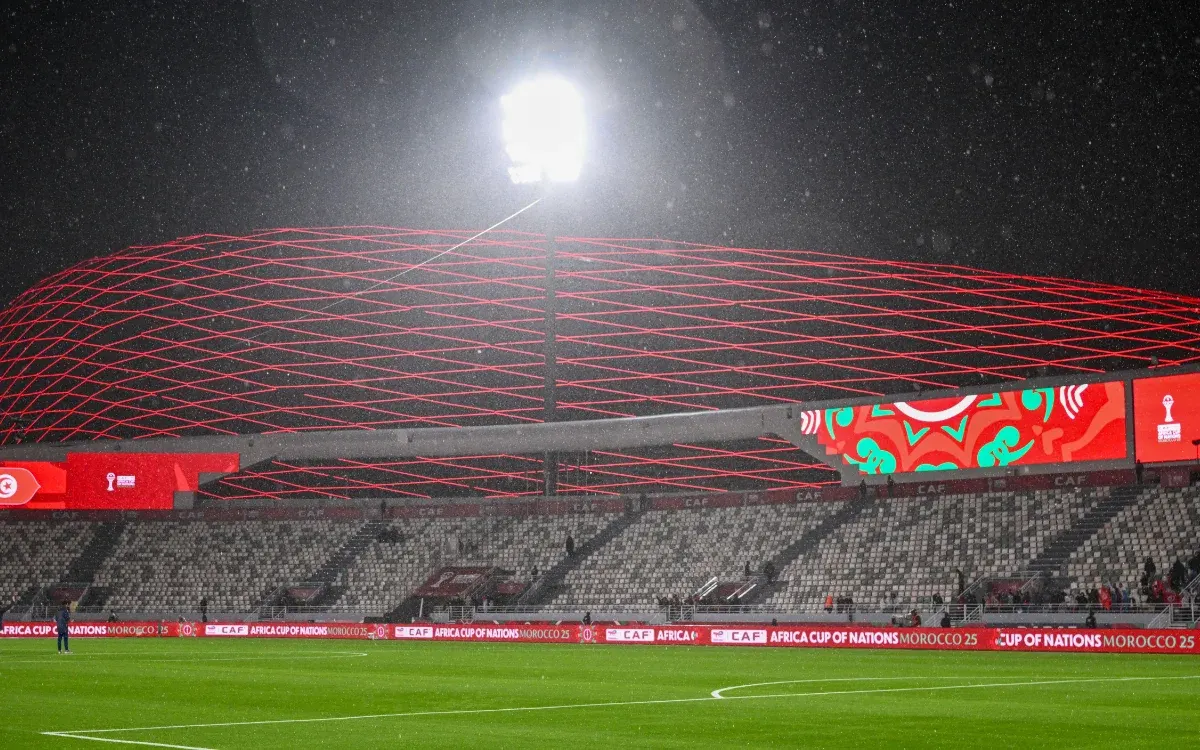
Morocco is facing an awkward problem ahead of the 2030 World Cup: empty seats in stadiums that are officially sold out. During recent international matches, several venues that were reported as “sold out” still showed clear gaps in the stands, raising questions about how ticket distribution is being handled.
The issue has become more visible as Morocco continues to stage more high-profile games at home. Fans and observers have pointed out that the atmosphere suffers when large sections remain unfilled, even though tickets are said to be unavailable.
What has been revealed is that the empty blocks are often linked to tickets set aside for sponsors, partners and invited guests. Those allocations may be counted as sold, but they do not always lead to people actually turning up on matchday. As a result, regular supporters are left outside, while seats inside remain unused.
That situation is creating frustration among fans who struggle to get tickets through official channels. With demand high, especially for national-team fixtures, many expect full stadiums. Instead, they sometimes see unused seats, which only adds to the anger around access and fairness.
Morocco is one of the co-hosts of the 2030 FIFA World Cup alongside Spain and Portugal, and the country has presented itself as ready to deliver strong stadium experiences. But the images of empty seats in supposedly sold-out matches suggest that improvements are needed in how tickets are allocated and managed.
The challenge now is to make sure that seats counted as sold are also seats that are actually occupied. With the World Cup approaching in the coming years, Morocco will want packed stands that match the official numbers, both for the look on television and for the matchday atmosphere.