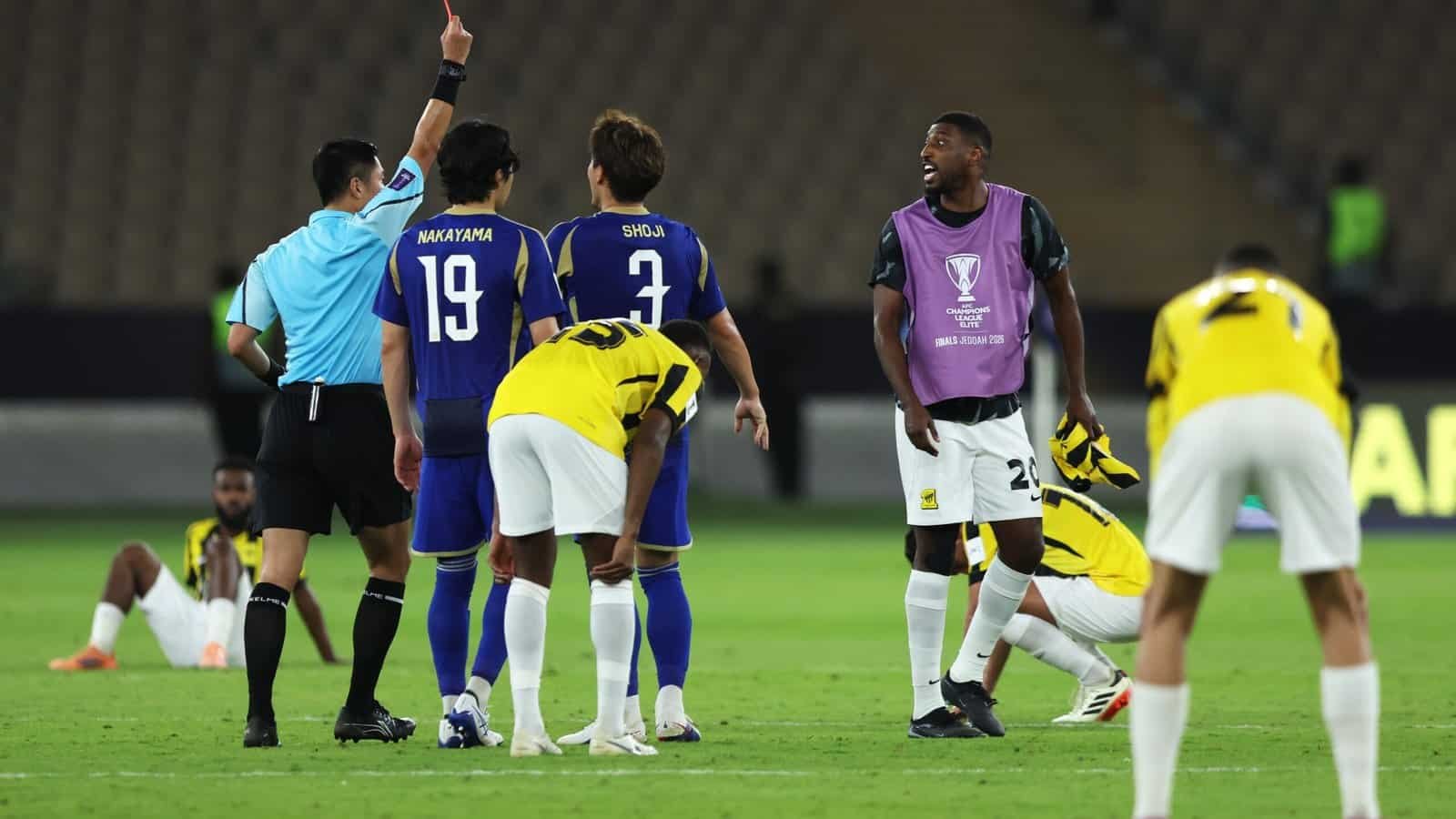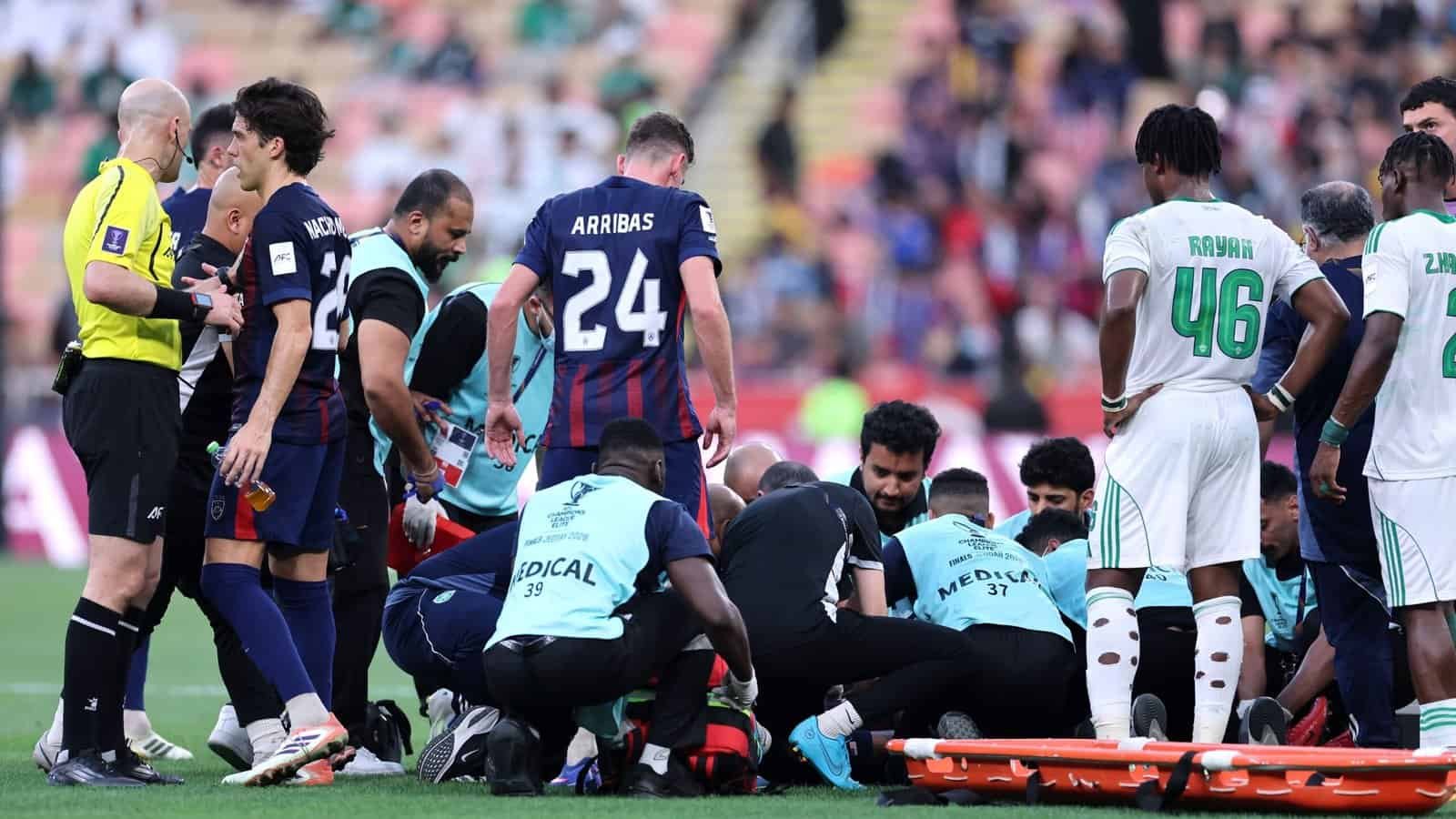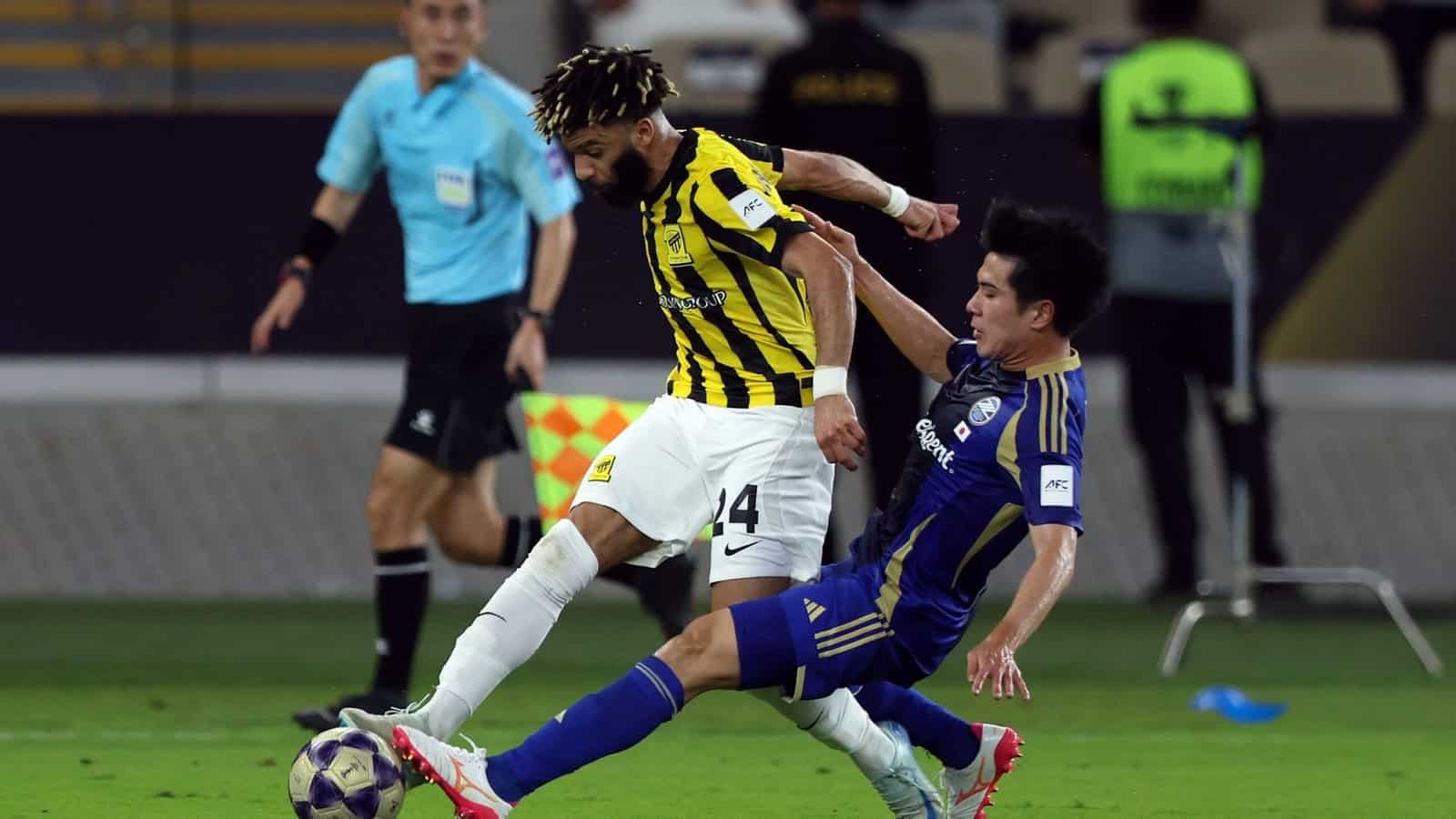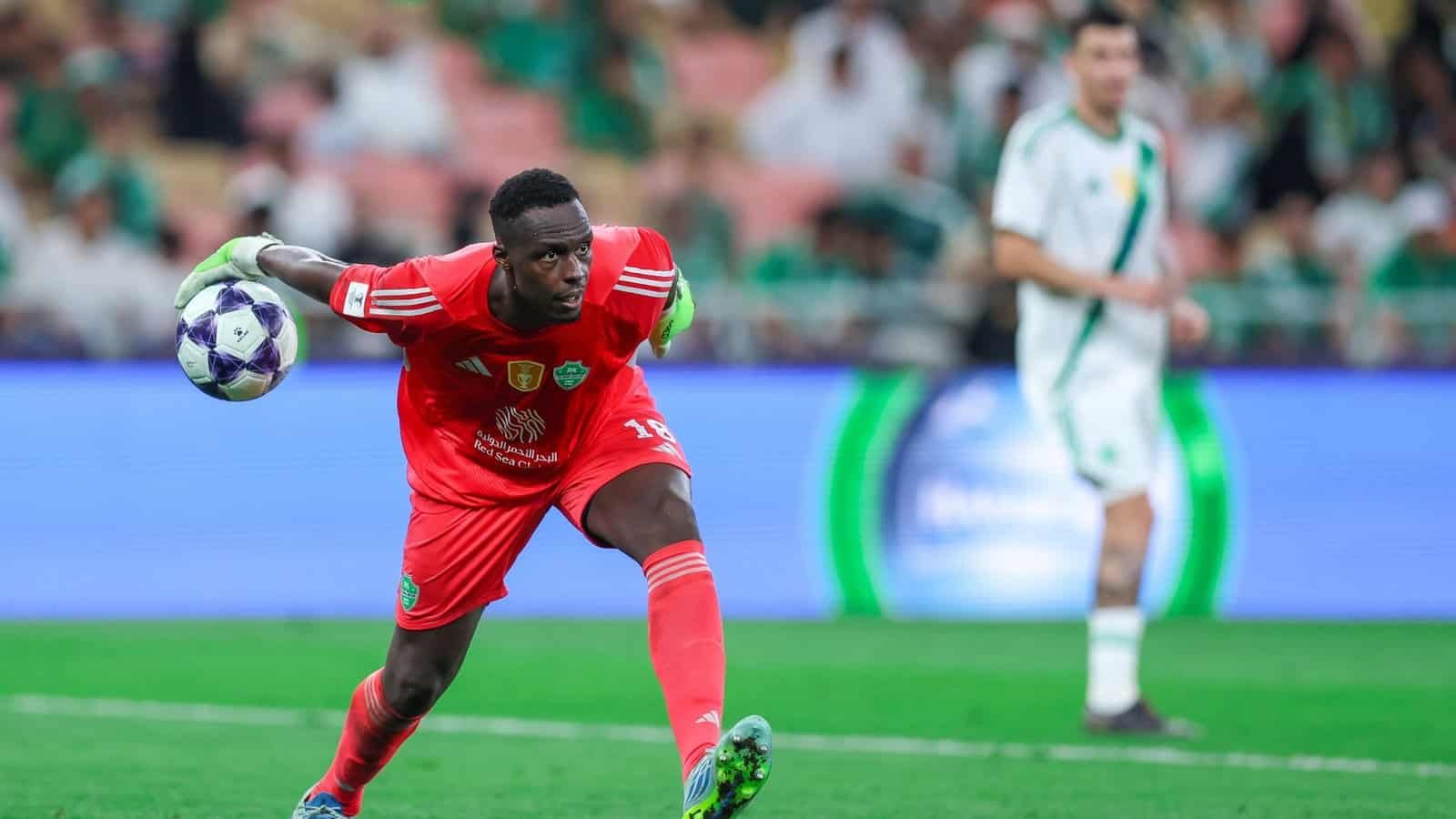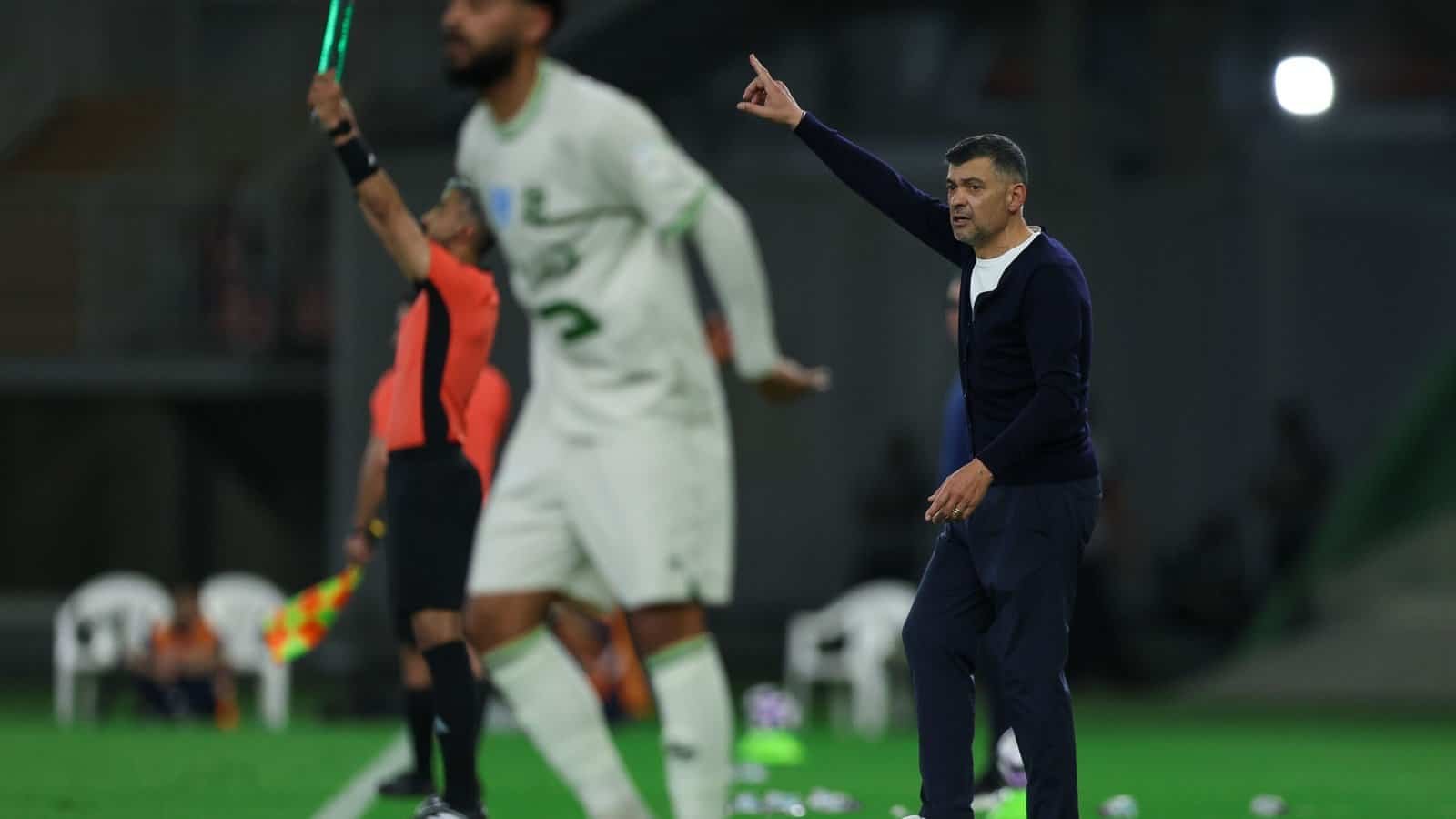
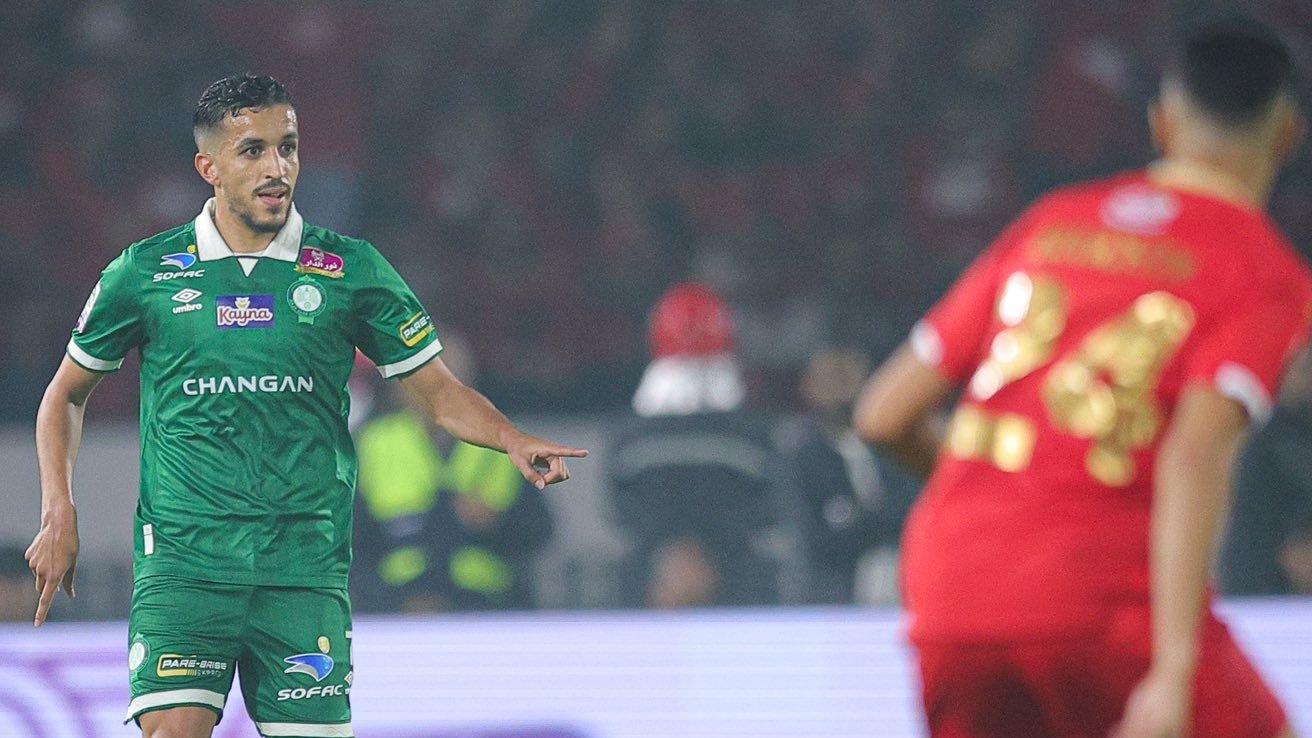
The recent Botola Pro clash between two of Morocco’s most fiercely rivalrous clubs ended in a goalless draw, yet the aftermath has been dominated less by the result itself and more by the controversial match grading and penalties handed down by the Royal Moroccan Football Federation (FRMF). This derby encounter, featuring some of the country’s best talents from the Atlas Lions setup and spotlighted as part of the nation’s premier domestic league, has once again brought attention to the ongoing challenges facing Moroccan football in maintaining competitive fairness and administrative transparency.
Played in front of an electrified crowd eager to witness a decisive outcome, the match saw both teams locked in a tactical stalemate. Despite the absence of goals, the intensity and quality on display highlighted the significant progress Moroccan clubs have made in recent years both domestically and in continental competitions under the Confederation of African Football (CAF) umbrella. However, the match’s intrigue extended beyond the ninety minutes on the pitch.
Following the fixture, the FRMF’s disciplinary committee released its evaluations, assigning match grades that will impact club standings and player reputations. These assessments, covering all key participants including starters and substitutes, reflect individual and team performances but have sparked debate across media outlets and fan circles alike. Critics argue that the subjective nature of these grades, combined with subsequent sanctions imposed on certain players and staff, raises questions about consistency and fairness in the governing body’s regulatory approach.
Among those penalized were several prominent figures who are pivotal members of the Atlas Lions national team pool and key players in the Botola Pro. Such disciplinary measures include suspensions and fines, which not only affect immediate team selection but also have broader implications for club campaigns, particularly as Moroccan clubs intensify their efforts to strengthen their domestic standing and continental ambitions. The derby rivalry, long a highlight of Moroccan football culture, has once again revealed the fine margins between sporting competitiveness and administrative governance.
The significance of this match and its aftermath must be understood within the wider context of Moroccan football’s ambitions on the African stage. With clubs like Wydad Casablanca, Raja Casablanca, and others consistently featuring in CAF’s Champions League and Confederation Cup tournaments, the importance of maintaining high standards of discipline and performance assessment is paramount. Moroccan football authorities have been keen to showcase the country as a model within African football, emphasizing fair play and professional management while nurturing homegrown talent.
In recent years, the Botola Pro has undergone notable development, attracting increased investment and improving infrastructure, which has enhanced the level of competition and professional conduct. This derby, as a showcase fixture, embodies the competitive spirit driving Moroccan football forward. However, incidents related to match grading and disciplinary actions underline the ongoing need for clear, transparent, and standardized regulations that align with international best practices promoted by CAF and FIFA.
Furthermore, the involvement of key Atlas Lions players in this fixture reflects Morocco’s commitment to integrating domestic league experience with international success. The national team’s achievements, including qualification for the FIFA World Cup and strong showings in the Africa Cup of Nations, owe much to the competitive environment fostered within the Botola Pro. Maintaining this synergy requires that domestic challenges, such as disputes over match evaluations and disciplinary rulings, be managed effectively to preserve the integrity and appeal of the league.
Looking ahead, stakeholders across Moroccan football are expected to engage in continued dialogue to refine the grading and disciplinary systems, ensuring that they serve the dual purpose of assessing performance and enforcing conduct without generating undue controversy. The productive evolution of the Botola Pro remains instrumental for Morocco’s broader football objectives, including youth development, club success in CAF competitions, and sustaining the passionate fan base that fuels the game’s growth nationwide.
As Moroccan football prepares for upcoming league fixtures and international engagements, attention will focus on how clubs recover and adapt following this derby’s contentious aftermath. The FRMF’s handling of match grading and sanctions will be closely observed, not only domestically but by the broader African football community, as Morocco continues to position itself as a leading force on the continent. Ensuring transparency and fairness in all aspects of competition will be essential in maintaining confidence among players, fans, and partners alike.