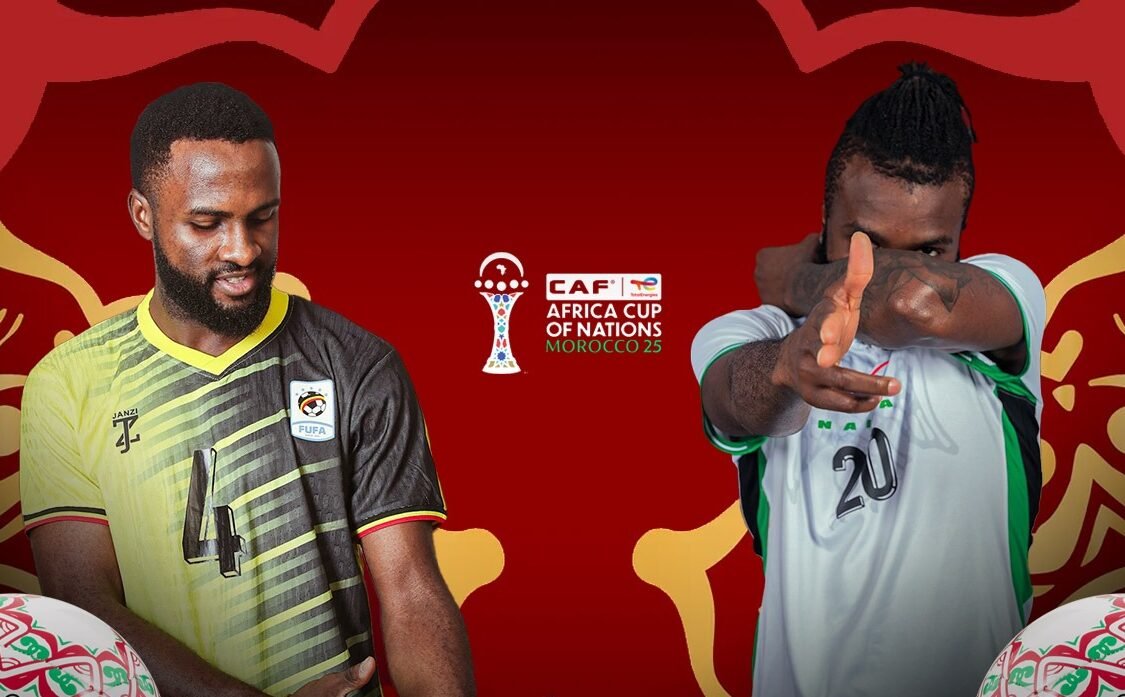
The 2025 Africa Cup of Nations (AFCON) is rapidly approaching, promising another thrilling chapter in African football’s premier continental tournament. Among the numerous high-stakes matches, the Group D clash between Uganda and Nigeria stands out as one of the most anticipated encounters. As fans across the continent and beyond gear up to follow the action, it is important to provide a detailed overview of the match logistics, team backgrounds, and how to watch the game live.
Match Details: When and Where
The Group D fixture between Uganda and Nigeria will take place on January 27, 2025, at Stade d’Olembe in Yaoundé, Cameroon. Kick-off is scheduled for 8:00 PM local time (WAT). This venue, one of the largest stadiums in Africa with a capacity exceeding 60,000 spectators, has already earned a reputation as an iconic setting for the AFCON 2025 tournament.
Broadcasting Information
Football enthusiasts will have access to a variety of viewing options depending on their location. The match will be broadcast live on several major sports networks across Africa and worldwide. Fans in Morocco and throughout the North African region can catch the game on BeIN Sports, the official broadcaster of AFCON 2025 in many Arab-speaking countries. Additionally, streaming platforms affiliated with CAF (Confederation of African Football) will provide live coverage, ensuring global accessibility through digital means.
Team Profiles and AFCON Context
Nigeria’s Super Eagles enter this competition with a rich AFCON legacy, having won the tournament three times and contending regularly as one of Africa’s strongest national sides. Their squad boasts a mix of experienced international stars and emerging talents, many of whom play in Europe’s top leagues. Nigeria’s campaign aims not only to reclaim continental glory but also to build momentum ahead of the 2026 FIFA World Cup qualifiers.
Uganda’s Cranes, on the other hand, represent one of East Africa’s rising powers. Although they have not yet secured an AFCON title, Uganda has improved notably in recent years, with increased participation in CAF competitions and a growing pool of talented players, some of whom are making their mark in the Botola Pro—the Moroccan top-flight league—and other competitive leagues abroad. Their presence in Group D offers them a chance to push further on the continental stage.
Moroccan Football’s Broader Context
Morocco’s own football ecosystem plays a significant role in the development of African football talents and the competitiveness of CAF tournaments. The Botola Pro, Morocco’s premier professional league, has emerged as one of the strongest leagues on the continent, attracting notable African players and producing top-level talent that feeds into the Moroccan national team, the Atlas Lions.
Several players with experience in Moroccan clubs have represented Uganda and Nigeria’s national teams, reflecting the interconnectivity of African leagues. Participation in AFCON allows scouts and clubs in the Botola Pro to identify promising talents, reaffirming Morocco’s importance in the broader African football landscape.
Historical Rivalry and AFCON Performance
While Uganda and Nigeria have faced each other on multiple occasions, their AFCON meetings have been relatively rare, adding an element of unpredictability to their upcoming match. Nigeria typically enters as the favorite given its historical success and squad depth, but Uganda’s recent development means the Cranes may well pose a significant challenge.
Both teams have previously navigated a mix of successes and setbacks in AFCON tournaments. Nigeria’s ability to perform under pressure is well documented, bolstered by a strong football infrastructure and support from both domestic clubs and international players. Uganda’s rise in recent years highlights the growing competitiveness of teams from across Africa, adding excitement to each encounter.
Key Players to Watch
For Nigeria, players like Victor Osimhen and Wilfred Ndidi are expected to feature prominently. Osimhen’s explosive forward play and Ndidi’s midfield stability are critical to Nigeria’s strategy. Additionally, the presence of Nigerian talents competing in Europe’s elite leagues offers a blend of speed, technical skill, and experience.
Uganda’s hopes will largely rest on the creativity and leadership of players such as Michael Azira and Farouk Miya. Their experience in African leagues, including the Moroccan Botola Pro, provides a blueprint for the style and resilience Uganda hopes to utilize. These players bring an understanding of high-stakes CAF competitions that could be pivotal in challenging Nigeria’s dominance.
The Role of CAF and AFCON
The Confederation of African Football (CAF), as the governing body for African football, continues to elevate the profile of the Africa Cup of Nations. AFCON is not only a tournament for national pride but also a showcase for African talents seeking recognition on the international stage. The 2025 edition features 24 teams, highlighting the growing competitiveness of football on the continent.
Morocco, with its infrastructure and footballing pedigree, has been an important contributor to CAF competitions. The continued development of Moroccan clubs and the national team underscores North Africa’s influential position within the tournament’s narrative.
Looking Ahead
The Uganda versus Nigeria match promises to be a compelling contest, combining Nigeria’s rich AFCON experience with Uganda’s rising ambition. Fans worldwide will have the chance to witness a clash that embodies the passion and competitive spirit of African football. As the teams prepare to battle on the pitch in Yaoundé, the outcome of this match could prove decisive for their progression in AFCON 2025.
Beyond this fixture, the tournament itself will offer an extensive platform for emerging talents, including many from Moroccan clubs and the wider CAF region. For the Atlas Lions and the Botola Pro clubs, these matches provide valuable insight as they prepare for future African competitions and aim to build on Morocco’s footballing successes.