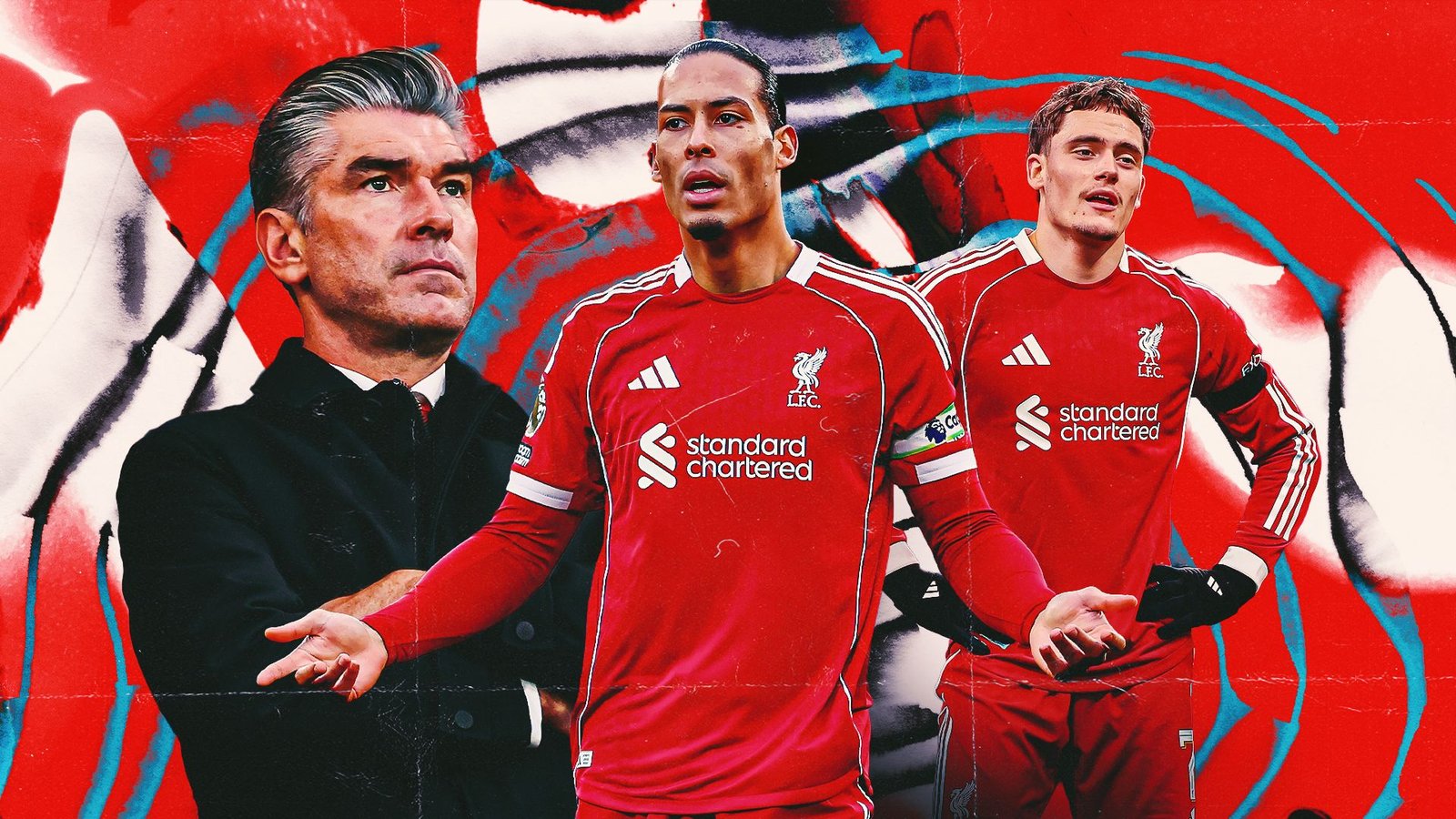
Liverpool’s season has left supporters asking uncomfortable questions, and one of the biggest is how much responsibility should sit with sporting director Richard Hughes.
Hughes arrived with a strong reputation and a clear remit, but Liverpool’s campaign has drifted into one marked by inconsistency, frustration and a sense of missed opportunity. While the sporting director is not the man on the touchline, his role is central to how the squad is built and how the club responds when problems start to show.
Recruitment, planning and squad balance sit at the heart of a sporting director’s job. Liverpool’s issues have been exposed across the season, with key areas looking short of depth and certain positions lacking reliable cover. When injuries and dips in form hit, the margins became thinner, and the team struggled to maintain the standards expected of a side competing at the top end of English and European football.
At the same time, it would be unfair to pin everything on Hughes alone. Performance levels on the pitch and the decisions made week to week are not his direct responsibility, and there are limits to how quickly any executive can reshape a squad, especially when financial and football constraints are in play.
Still, this is a results business, and Liverpool have not met their own targets. That inevitably brings scrutiny to the people steering the long-term plan as much as those delivering it on matchday. With Liverpool’s season now widely viewed as a disappointment, Hughes’ first year in the role is being judged through that lens, and the pressure will only grow as the club moves into the next window and the next phase of its rebuild.