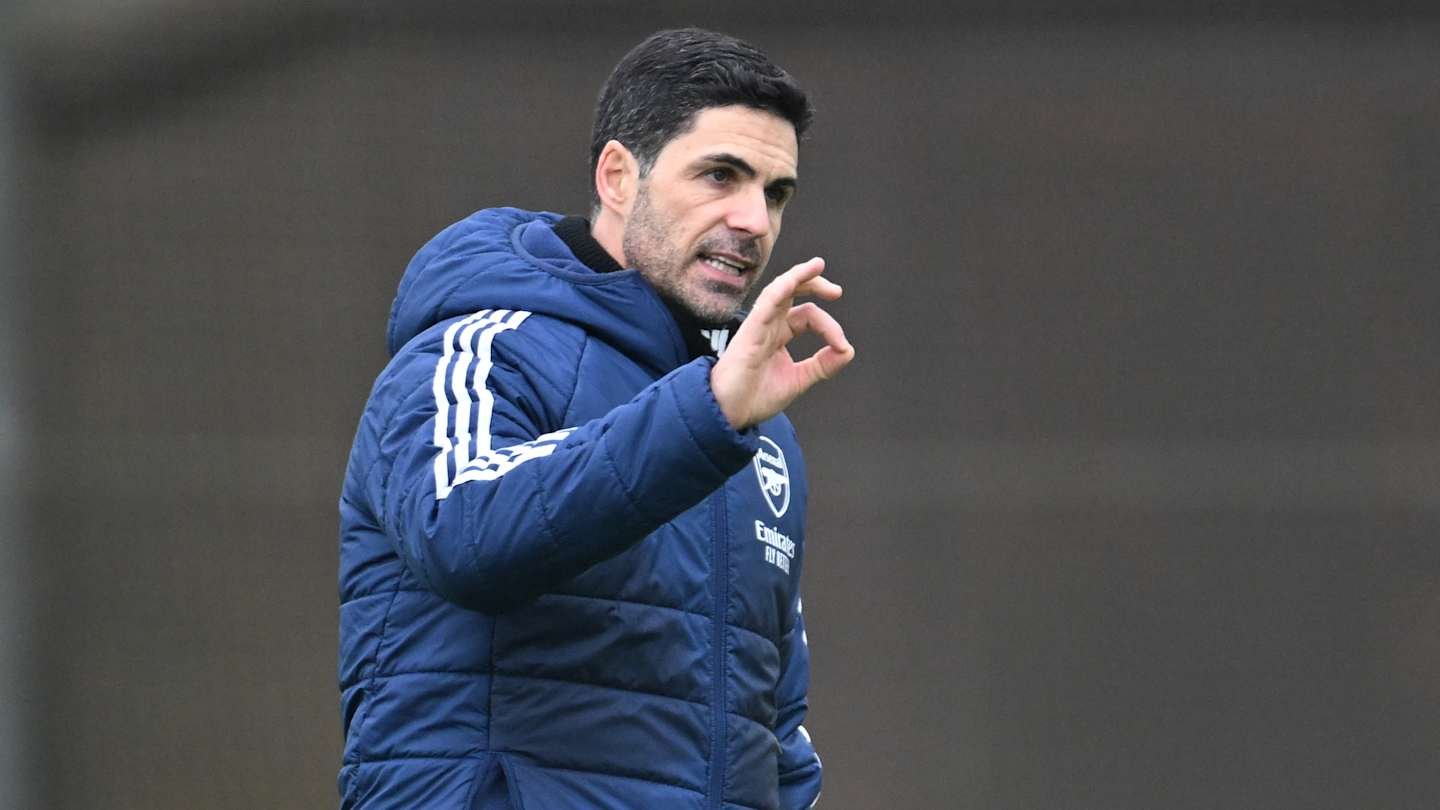
Arsenal’s January business has often been quiet under Mikel Arteta, with the club usually preferring to do its major work in the summer. That is why this month’s decision to move for a deal that was not widely expected has caught the attention of supporters and rivals alike.
The north London side have been weighing up how best to manage the second half of the season, balancing the push for silverware with the need to protect a squad that has been stretched at times by injuries and a heavy schedule. While the focus has largely been on long-term recruitment plans, Arsenal have also been open to market opportunities that can help immediately without disrupting the bigger picture.
From the outside, it may look like an unusual step for Arteta, who has been clear in the past that he will not sign players simply for the sake of adding numbers. But the conditions around this particular move made it more attractive. The club saw a chance to improve depth in a key area, and the structure of the agreement meant it was a low-risk way to strengthen the group for the run-in.
Arsenal’s thinking has been shaped by a simple reality: competing at the top end of the Premier League and in Europe demands more than a strong starting XI. Fine margins decide matches at this stage of the season, and having reliable options to rotate, cover injuries or change games from the bench can be the difference between falling short and finishing strongly.
Internally, there has been a sense that the team’s standards have risen to a level where every position needs serious competition. Arteta has built a squad based on intensity, pressing and control, and those demands can be difficult to maintain if the manager feels he cannot trust the replacements. Adding the right profile in January can therefore be as much about protecting performance levels as it is about raising them.
The financial side has also played a part. Arsenal have not hidden the fact they want to be smart with spending and avoid deals that tie them down for years if the fit is not perfect. A short-term arrangement, or one with flexibility, can appeal in January when prices are often inflated and selling clubs hold the leverage.
There is, of course, always debate among fans when a move comes out of the blue. Some will argue Arsenal should only chase elite, headline signings. Others recognise that winning teams are often built with smaller, targeted decisions that solve immediate problems. In this case, the club believe the deal helps them now, while still keeping the door open for bigger moves later.
Arteta’s priority remains the same: create a squad capable of sustaining a title challenge and stepping up in the biggest matches. If this January agreement delivers what Arsenal expect—more balance, more options and more security—then the surprise factor will quickly fade, replaced by a sense that it was a timely piece of business.