“`html
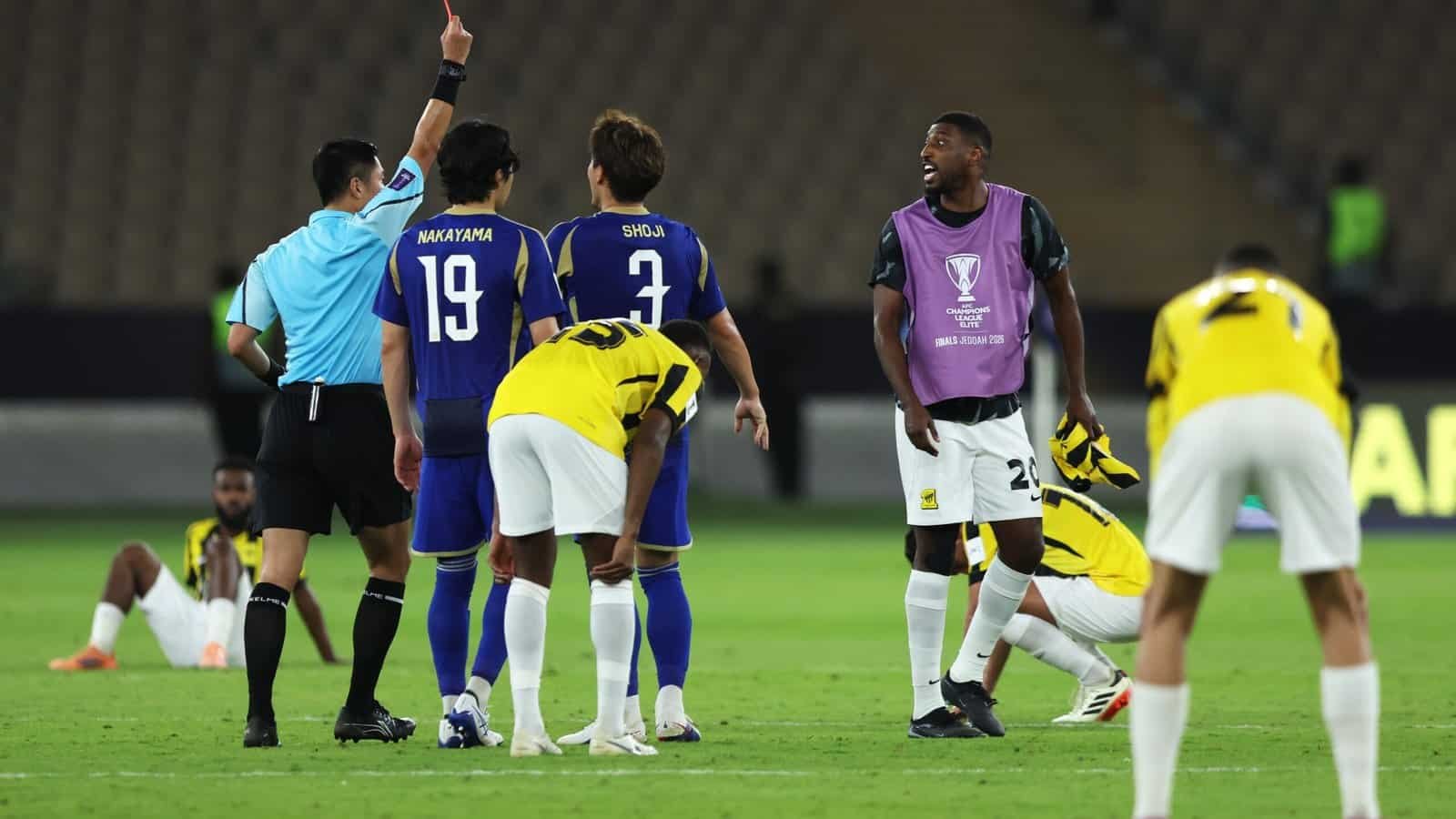
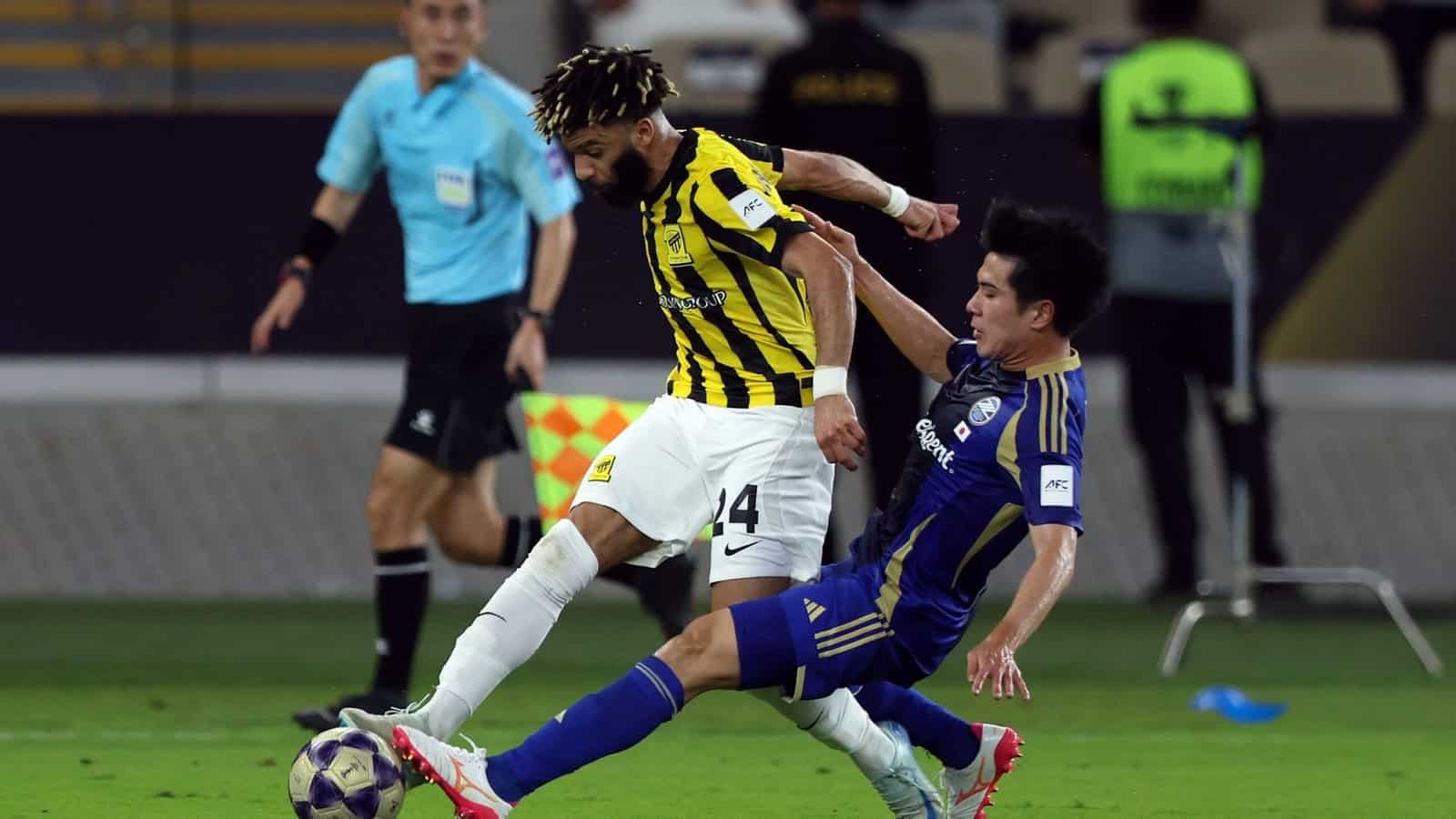
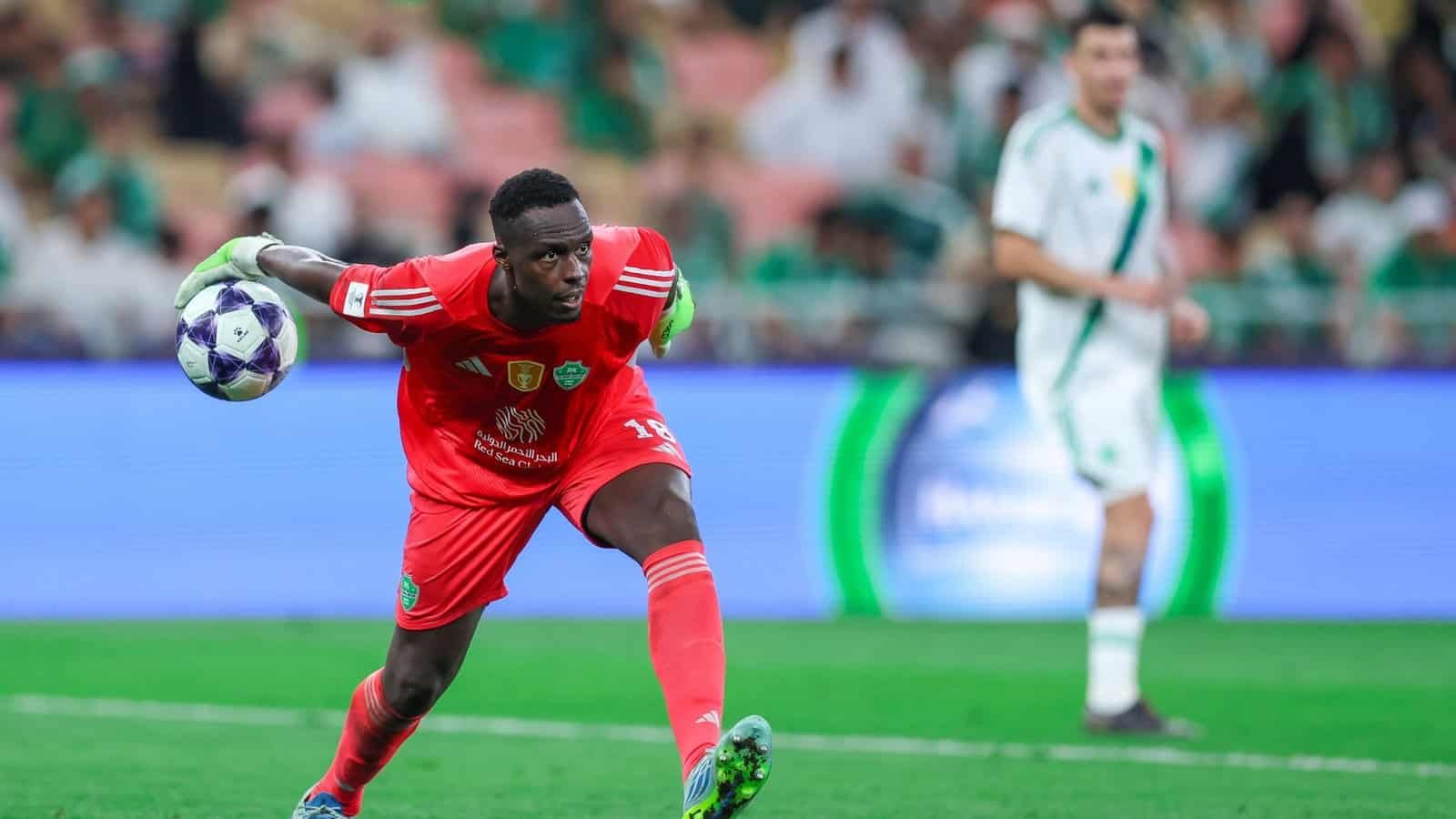
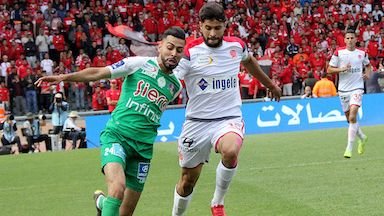
In a decisive encounter that showcased both tactical discipline and offensive prowess, Al Hilal emerged victorious over Al Ittihad, underscoring their position as one of the dominant forces in African football. The Saudi giants demonstrated a well-organized defense coupled with a potent attacking lineup, which proved too much for their rivals. This clash not only resonated deeply within the Saudi Professional League but also drew significant attention across the continent, reinforcing the increasing competitiveness of clubs in the region.
Al Hilal’s defensive unit, often lauded for its steadfastness, was pivotal in neutralizing Al Ittihad’s attacking threats. The defensive line, led by experienced campaigners and supported by vigilant midfielders, effectively stifled attempts to break through, leaving Al Ittihad struggling to find clear-cut opportunities. This resilience at the back gave Al Hilal the platform to press forward confidently and apply sustained pressure in the final third.
On the offensive front, Al Hilal’s balanced approach utilized both speed and precision. Their forward line exhibited clinical finishing, converting key chances at crucial moments of the match. The combination of quick interchanges and intelligent positioning allowed Al Hilal to unlock the opposition’s defense repeatedly, culminating in a well-earned victory.
For followers of Moroccan football, this match holds broader significance beyond the borders of Saudi Arabia. Moroccan clubs such as Wydad Casablanca and Raja Casablanca have long sought to assert their influence in African and Arab football through their participation in the CAF Champions League and other continental competitions. Moroccan players, too, often feature prominently across the Middle Eastern football scene, bringing valuable experience and skill. This encounter between Al Hilal and Al Ittihad serves as a reminder of the growing interconnectedness and rising standards within regional leagues, where clubs from different countries vie for continental honors under the CAF and AFC umbrellas.
The strength of Al Hilal’s squad is further highlighted by their substantial investments in talent acquisition and coaching. Their ability to integrate both seasoned internationals and emerging prospects has built a squad capable of competing on multiple fronts. This blend of youth and experience mirrors the strategy employed by many top Moroccan clubs competing in the Botola Pro, Morocco’s premier football league, where the nurturing of domestic talent remains a key priority.
Across the African continent, the Atlas Lions—the Moroccan national team—have drawn inspiration from the domestic competitions and the performances of Moroccans abroad. Players who shine in the Botola Pro and leagues across the Arab world often form the backbone of the national squad, which itself has been on an upward trajectory, aiming for success in upcoming editions of the Africa Cup of Nations and the FIFA World Cup qualifiers.
This recent encounter between Al Hilal and Al Ittihad also underscores broader trends within regional football governance, particularly in relation to the Confederation of African Football (CAF) and its collaborations with other football authorities. As clubs from North Africa, the Middle East, and sub-Saharan Africa continue to raise performance levels, there is an increasing call for enhanced competitive platforms and more integrated tournament structures. These developments aspire to elevate the quality of football, while simultaneously enhancing commercial appeal and fan engagement.
Looking ahead, Al Hilal’s commanding display is poised to bolster their confidence as they approach the latter stages of the season and continue their pursuit of domestic and continental honors. Meanwhile, Moroccan football enthusiasts will keenly observe how clubs and players from their country continue to influence and compete within this evolving landscape. With the CAF Champions League and other international competitions on the horizon, anticipation is mounting for further high-stakes matches that promise to captivate football fans across Africa, the Arab world, and beyond.
“`