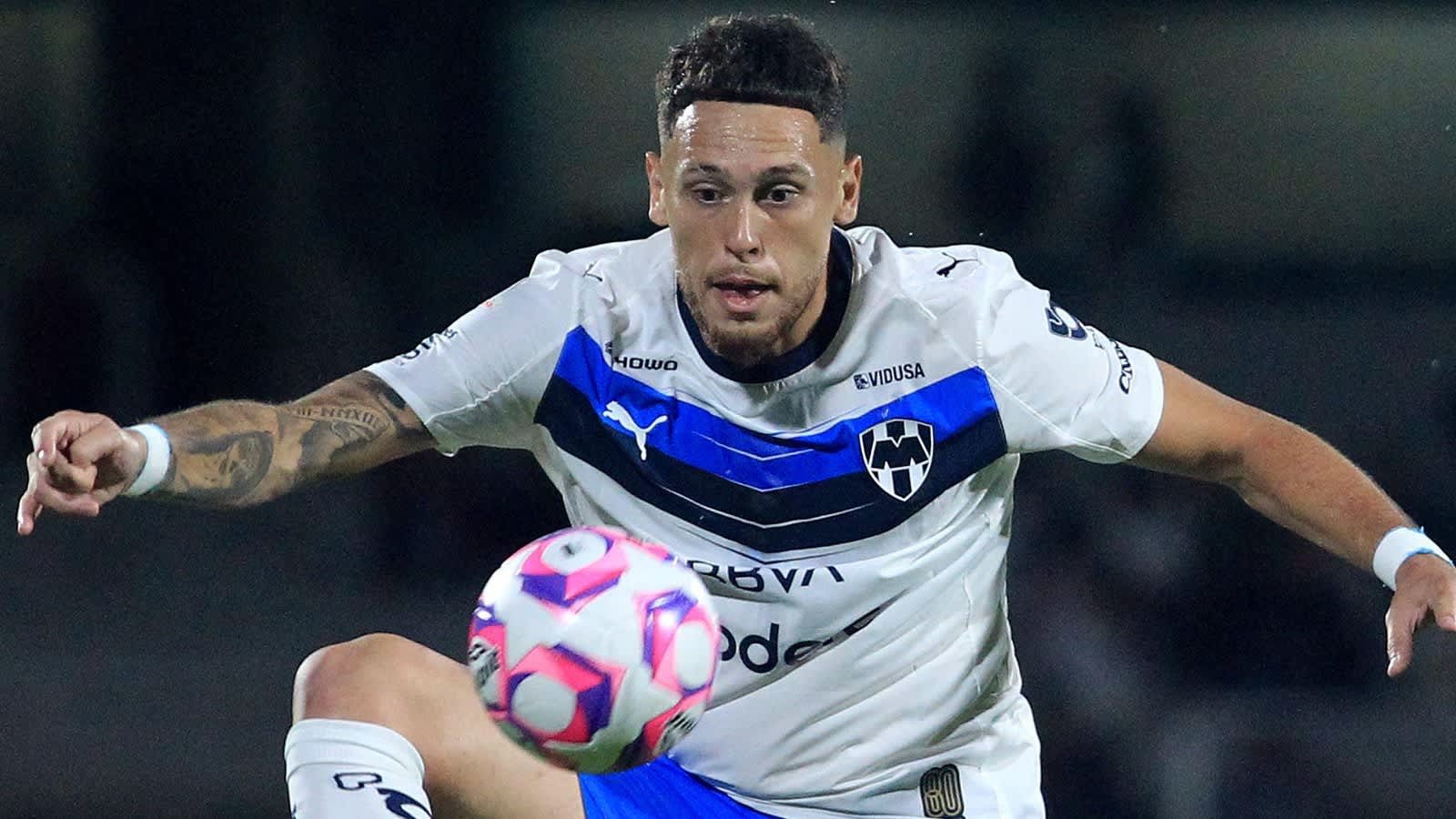
In a heartbreaking turn of events, a promising Argentine forward has been left paralyzed following complications from a rare viral infection compounded by a skateboarding accident. The young athlete, once celebrated for his agility and goal-scoring prowess, now faces a difficult road to recovery after this shocking medical episode.
The player, who rose swiftly through the ranks of Argentine youth football, had been showing considerable potential ahead of what many expected to be a breakout season. However, his career was abruptly interrupted when he contracted a viral illness that significantly impacted his nervous system.
Medical reports indicate that the virus led to an inflammatory condition affecting the spinal cord, a rare but severe complication known as transverse myelitis. This inflammation can cause paralysis and loss of sensation below the affected area, and unfortunately, in this case, it left the forward with paralysis in his lower body.
Matters were further complicated by a skateboarding accident that occurred soon after the onset of the illness. While recuperating, the player attempted to engage in skateboarding—a recreational activity he enjoyed during his downtime—but suffered a fall that exacerbated his condition. The injury worsened spinal inflammation, leading to a rapid decline in mobility.
Following emergency hospitalization, the player was subjected to intensive medical treatment and rehabilitation. Specialists outlined the challenges ahead, explaining that the combination of viral injury and trauma from the fall posed significant obstacles. Despite exhaustive efforts, the paralysis has proven persistent, significantly affecting the athlete’s ability to walk or perform any athletic activity.
The football community has rallied around the player and his family, expressing deep sympathy and solidarity. Several prominent figures in Argentine football have reached out, offering support and raising awareness about the severe impact of spinal cord injuries and the importance of recognizing symptoms of severe viral infections early.
Experts emphasize that while transverse myelitis remains a rare condition, early diagnosis and treatment can sometimes mitigate long-term consequences. The combination of this illness with an additional physical trauma, however, presents an exceptionally challenging medical situation.
Physiotherapists and neurologists working with the athlete are currently exploring various therapeutic approaches in hopes of improving his condition over time. Innovations in neurorehabilitation, including electrical stimulation and advanced physical therapy techniques, offer some hope for partial recovery or improved quality of life.
The incident also serves as a sobering reminder of the unpredictability of athlete health outside of professional contexts. While maintaining physical fitness is critical for professional sportspeople, balancing activity with caution—especially during recovery from illness—is equally important.
As the Argentine forward begins his journey toward adaptation and rehabilitation, supporters remain hopeful that advances in medicine and his personal determination will enable him to overcome the challenges posed by his condition. The football world continues to monitor his progress closely, honoring his contributions on the pitch and his courage off it.
Looking Ahead: The focus now shifts to long-term rehabilitation and the development of recovery strategies to help the player regain as much mobility and independence as possible. His case underscores the importance of comprehensive medical care for athletes and the need to support them through unforeseen health crises. The football community’s unwavering support highlights the spirit of solidarity that transcends the sport itself.