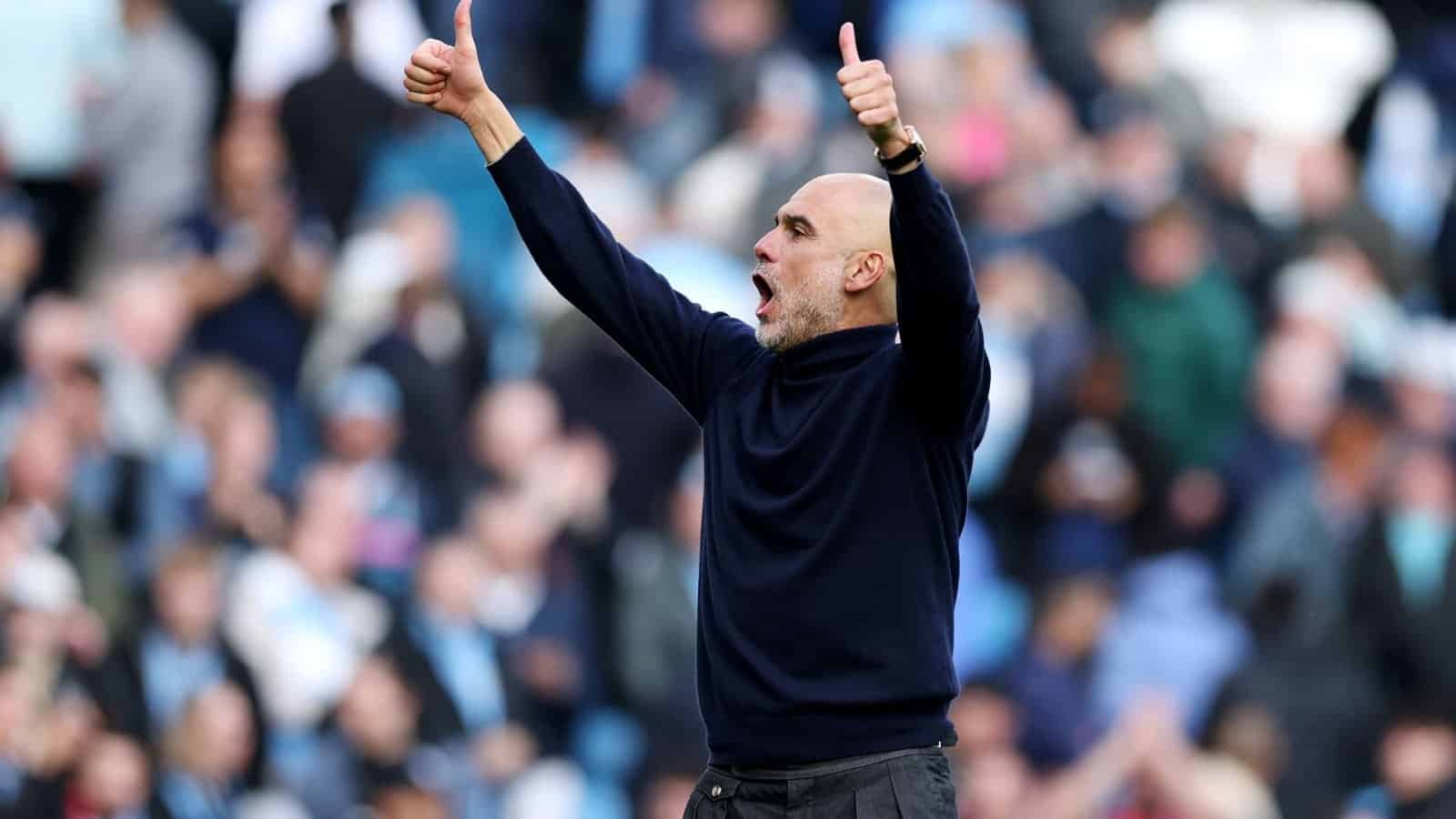
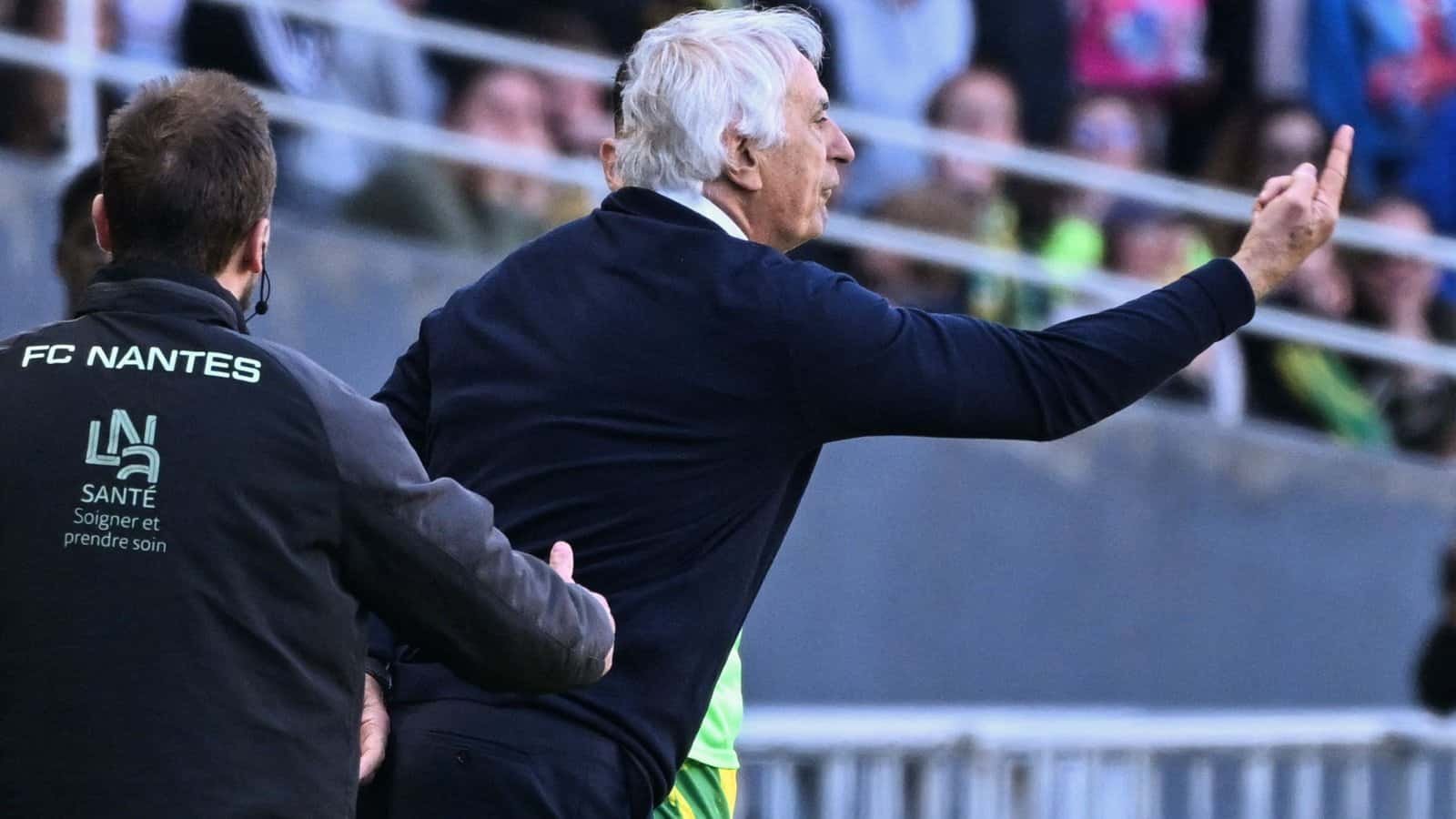
Bosnian coach Vahid Halilhodžić is facing the prospect of a severe ten-year suspension from all football-related activities. The potential ban stems from a financial dispute with his former employer, the Moroccan Football Federation (FRMF).
The conflict dates back to Halilhodžić’s tenure as head coach of the Moroccan national team, which ended in 2022. Following his dismissal, the 71-year-old filed a lawsuit against the FRMF at the Court of Arbitration for Sport (CAS), seeking significant financial compensation for what he deemed an unfair termination.
The legal battle concluded with a ruling in Halilhodžić’s favor. CAS ordered the Moroccan Federation to pay the coach a sum of $1.2 million. However, the FRMF has reportedly failed to comply with this binding decision, refusing to settle the owed amount.
In response to this non-payment, Halilhodžić has initiated a new legal procedure. He has formally requested that FIFA impose a ban on the Moroccan Federation. According to regulations, if a club or association does not honor a financial decision from CAS, FIFA can enforce sporting sanctions.
This is where the situation turns dramatically against the coach himself. Article 15 of FIFA’s disciplinary code outlines a strict reciprocal punishment. It states that if a party successfully petitions for a ban against another entity for unpaid debts, and that petition is granted, the petitioner must also accept the same sanction if they themselves later fail to pay a separate debt.
Reports from French newspaper L’Équipe indicate that Halilhodžić is himself subject to a separate CAS ruling, which orders him to pay approximately $1 million to a former agent. It is alleged that this debt remains outstanding.
Therefore, the very mechanism Halilhodžić is using to pressure Morocco could backfire spectacularly. If FIFA approves his request to ban the FRMF, the governing body would be obligated to also impose a ban on Halilhodžić for his own unpaid obligation. The mandated ban period for such infractions is a minimum of ten years.
This means the veteran coach, who has led teams at the 2014 and 2022 World Cups, could see his career effectively ended. A final decision from FIFA on the matter is now awaited, with Halilhodžić’s future in football hanging in the balance.