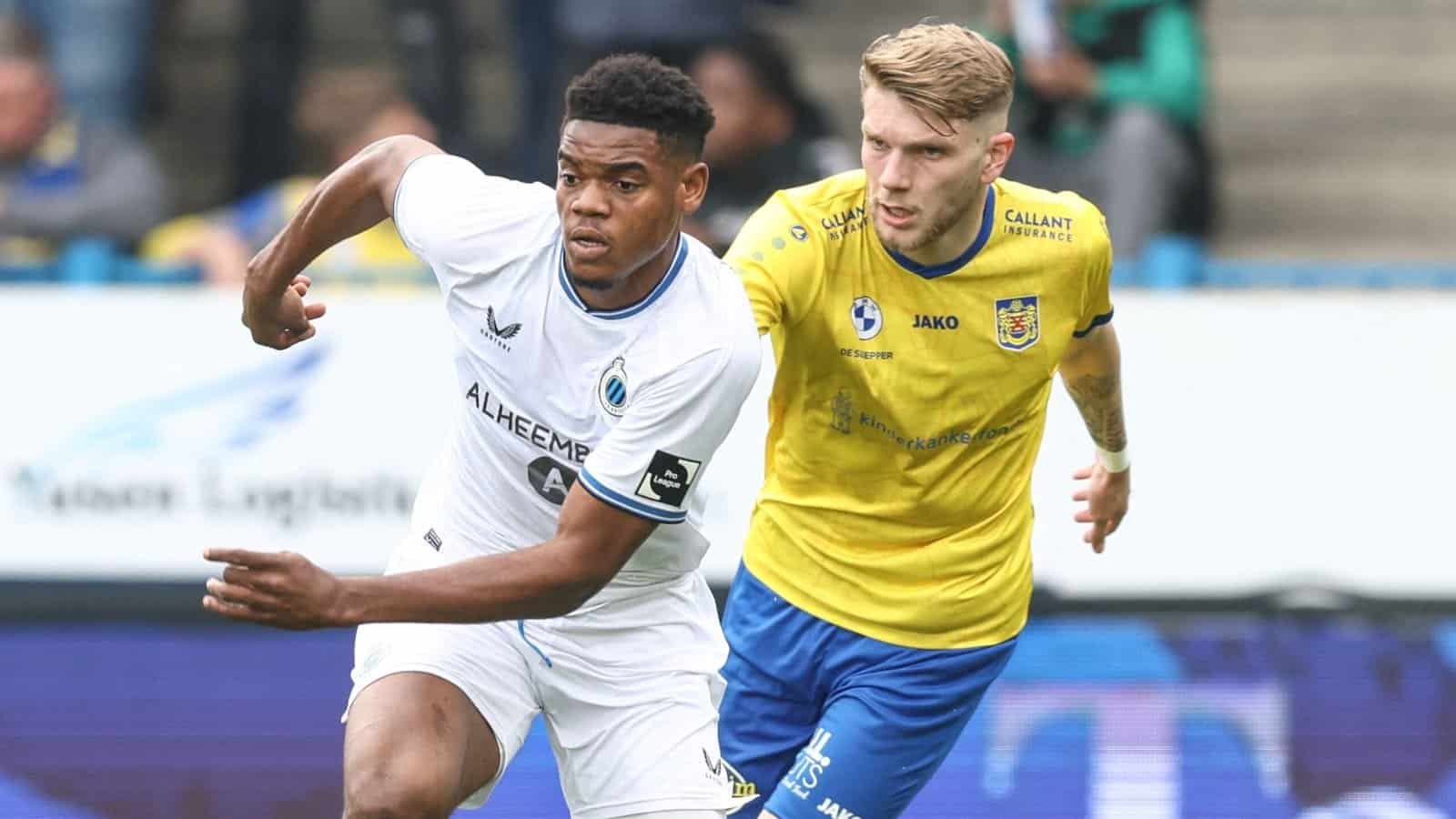

The highly anticipated Moroccan derby that once again pitched two of the country’s most passionate clubs against each other ended in frustration on and off the pitch, with the dismissal of midfielder Al-Baytawi igniting a disciplinary response from football authorities. What was billed as a showcase for the quality of Botola Pro — Morocco’s top professional league — instead left supporters, club officials and the Royal Moroccan Football Federation (FRMF) grappling with incidents that overshadowed the sport.
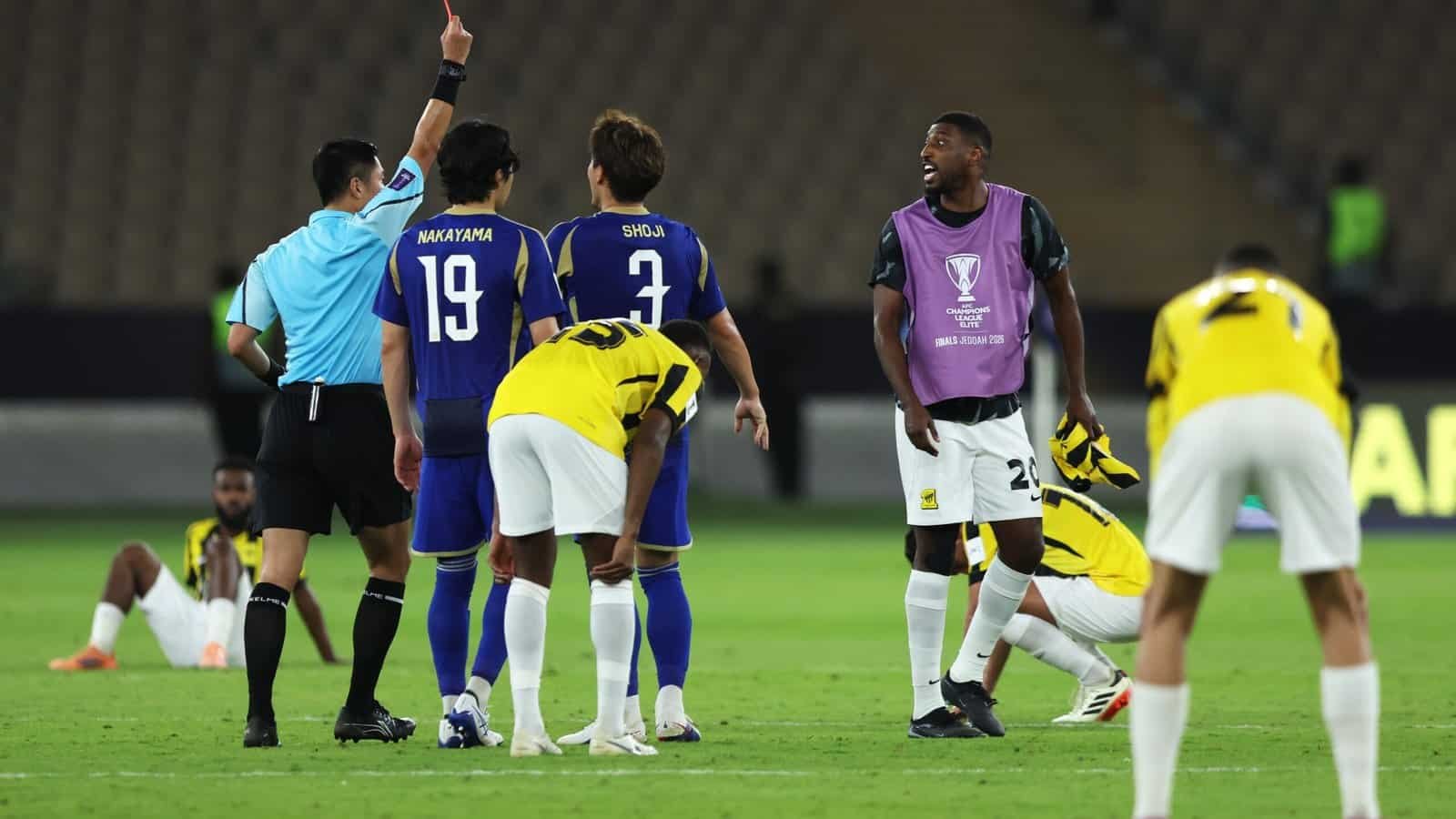
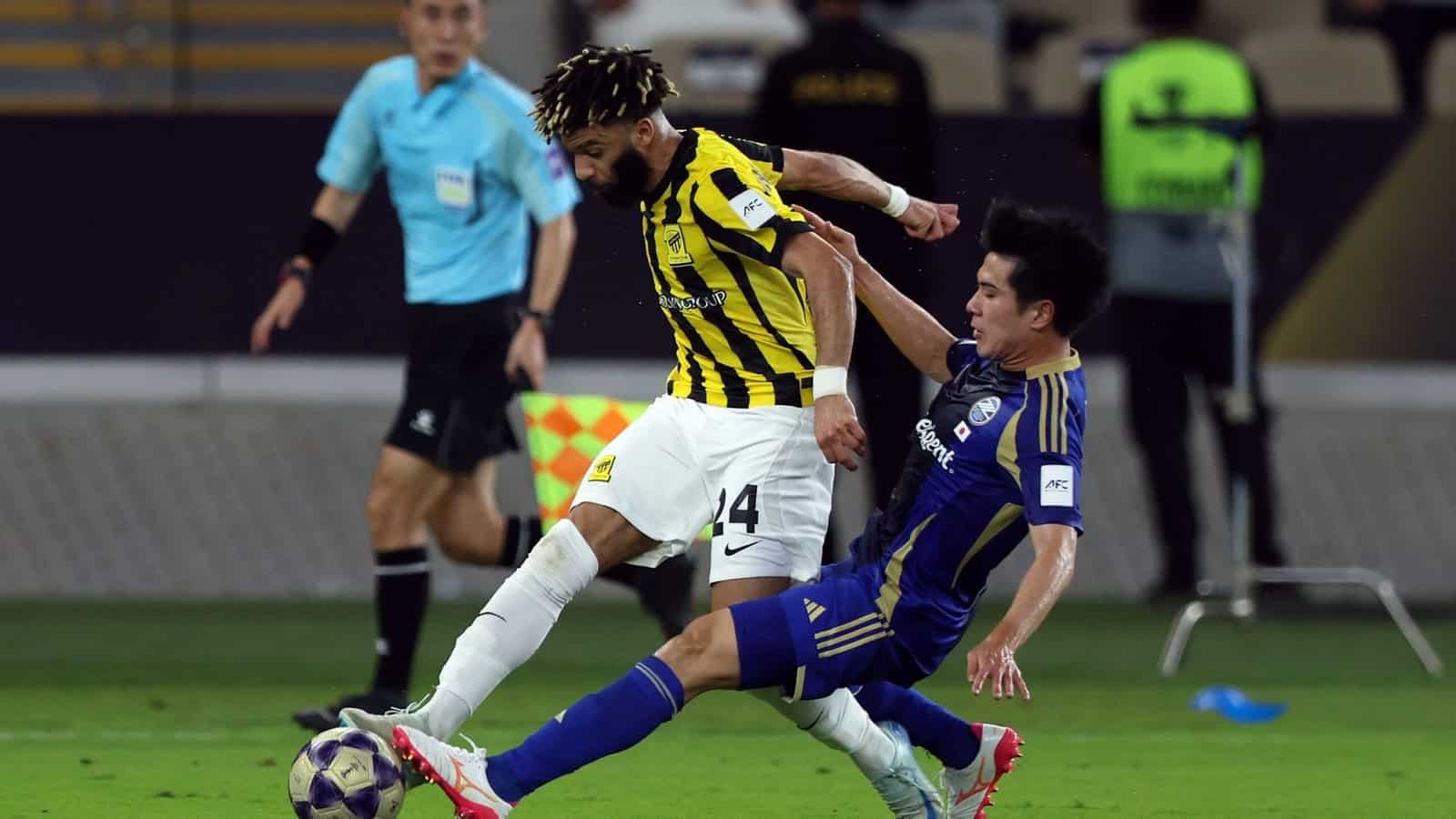
The fixture, part of the domestic championship calendar that feeds both national pride and continental ambitions, produced heated exchanges during the 90 minutes and spilled over after the final whistle. Al-Baytawi, a prominent figure for his club and a familiar face to followers of domestic football, received a red card late in the game for an altercation that the match officials judged to be violent conduct. His dismissal triggered protests from players and staff and preceded a series of confrontations in the tunnel and stands.
In its official response, the FRMF disciplinary committee announced it would open an inquiry into the events surrounding the match, with preliminary measures already in place. The committee announced provisional suspensions for individuals directly involved in on-field incidents and warned both clubs that further sanctions — including fines, extended bans and stadium closures — could follow depending on the outcome of the investigation.
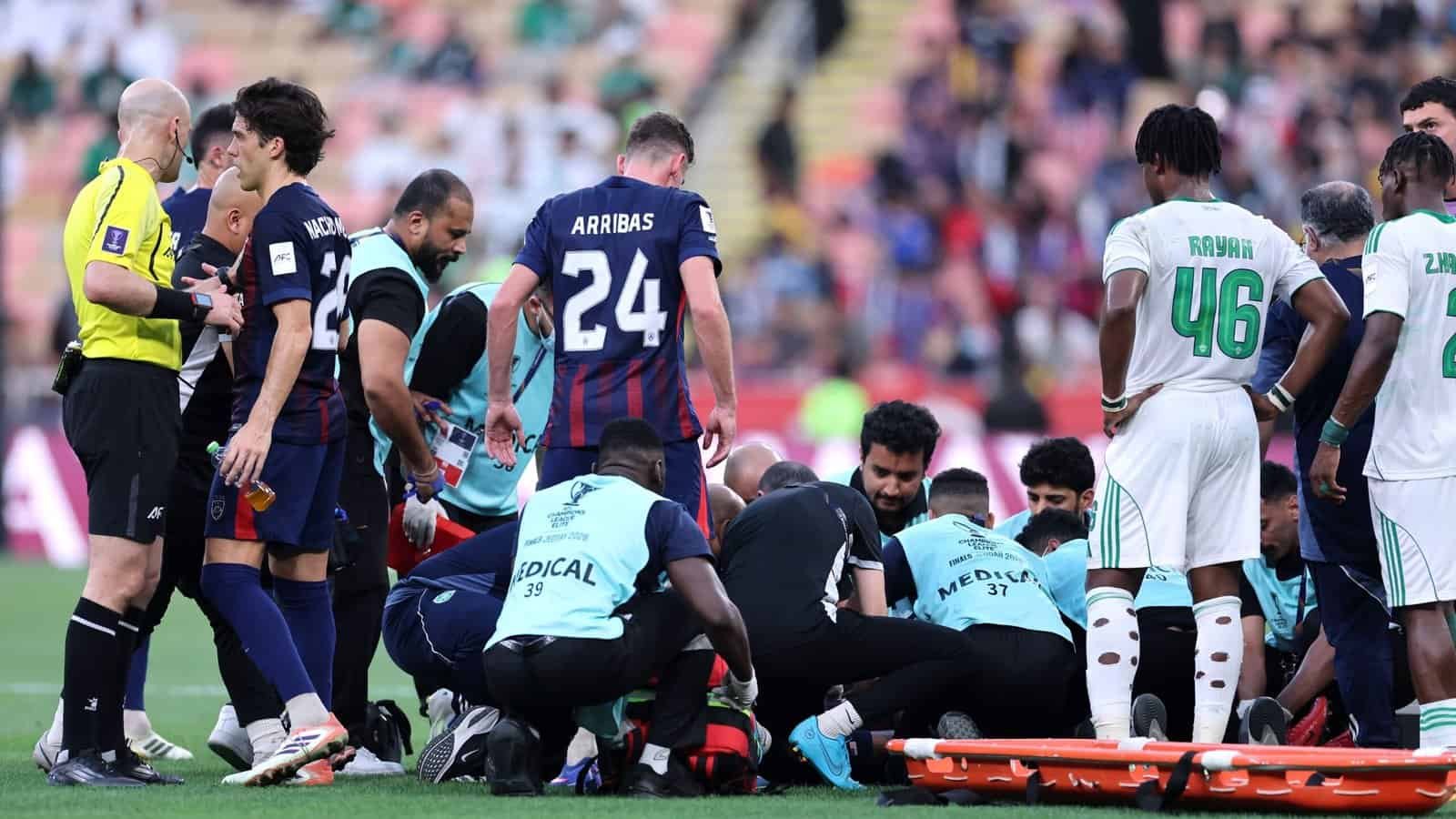
The derby’s disappointment was not limited to individual misconduct. Video footage and eyewitness accounts described tense scenes among fans, confrontations with stewards and a disruption to post-match protocols designed to protect players and officials. The federation said it was also coordinating with local security services to review crowd-management plans and to identify those responsible for disturbances.
Derby matches in Morocco have long carried weight beyond league points. Encounters between major sides, particularly the Casablanca rivals who represent two of the country’s largest fan bases, are cultural events that draw national attention and international scouts. They are also seen as proving grounds for players aspiring to secure a place in the Atlas Lions — Morocco’s national team — or to attract interest from clubs across Africa and Europe. The recent events underscore how quickly a fixture that should highlight Moroccan football’s growth can be derailed by lapses in discipline.
For the clubs involved, the fallout will be both sporting and financial. Botola Pro places a premium on discipline and reputation; disciplinary rulings can affect squad selection, league standings and the ability of clubs to compete in continental competitions governed by the Confederation of African Football (CAF). Several Moroccan teams juggle domestic schedules with CAF Champions League and Confederation Cup commitments, and suspensions or fines can complicate those campaigns.
Players who aspire to national team honors are particularly mindful of conduct in high-profile matches. Selection for the Atlas Lions often hinges on consistent performance and professionalism during pressure situations. Incidents like the recent derby can therefore have consequences beyond club-level punishments, influencing the national team’s coaching staff and the broader talent pipeline.
CAF regulations also come into play when domestic incidents have cross-border ramifications. While the current investigation is being handled by the FRMF, repeat or particularly grave failings in stadium safety or crowd control can draw CAF scrutiny and, in some cases, sanctions that affect a club’s ability to host international fixtures. Moroccan clubs, with a growing presence in African competitions, are keen to avoid measures that would compromise their continental ambitions.
Club management at both sides issued statements expressing regret about the disorder while committing to cooperate with the federation’s inquiry. Both organizations emphasized a desire to protect supporters and players, and to uphold the integrity of Botola Pro. They also signaled intent to review internal procedures, including match-day discipline, player education on conduct, and coordination with match officials and security personnel.
Analysts and former players have weighed in on the wider implications. Many suggested that the incident should serve as a catalyst for reform in areas such as disciplinary consistency, steward training and clearer protocols for managing volatile moments. Moroccan football has made significant strides in recent years — with improved league organization and stronger performances by clubs on the continental stage — but maintaining that progress requires a concerted effort to manage the intense emotions that characterize derby days.
The immediate sporting impact will be determined by the formal rulings of the disciplinary committee. If bans are upheld, the clubs involved will have to adapt lineups and tactics in upcoming Botola Pro matches, potentially altering the race for domestic honours. The FRMF emphasized that its decisions would be guided by regulations and evidence, with the aim of deterring future misconduct while ensuring fairness.
Looking ahead, stakeholders from the federation, clubs and security services plan to meet and refine the protocols that govern high-risk fixtures. With Moroccan teams increasingly visible in CAF competitions and with the Atlas Lions enjoying elevated status after recent international performances, protecting the reputation and safety of domestic football remains a priority. The coming weeks will reveal how effectively Moroccan football authorities can translate disciplinary action into lasting improvements for players, fans and the broader game.