In a stunning display of resilience and determination, Tanzania’s national football team has captured the attention of fans and pundits alike with their remarkable performance against Morocco. Despite being widely considered underdogs, the Tanzanian side showed exceptional grit and tactical discipline, resulting in a surprising outcome that has sparked widespread excitement across the African football landscape.
The match, held in a highly charged atmosphere, saw Tanzania defy expectations by maintaining a tightly organized defense while capitalizing on key moments during the game. Morocco, a powerhouse in African football with a reputation for strong attacking play, struggled to break down the Tanzanian backline consistently. This unexpected difficulty disrupted Morocco’s usual fluid approach and allowed Tanzania to remain competitive throughout the encounter.
Tanzania’s coach deserves considerable credit for his strategic approach. By instructing his players to focus on compactness and quick transitional attacks, he effectively neutralized Morocco’s offensive threats. The team’s disciplined shape limited the space available to the Moroccan forwards, forcing them to take attempts from less dangerous positions. Meanwhile, Tanzania’s forwards remained patient, waiting for critical chances to exploit any lapses in Moroccan concentration.
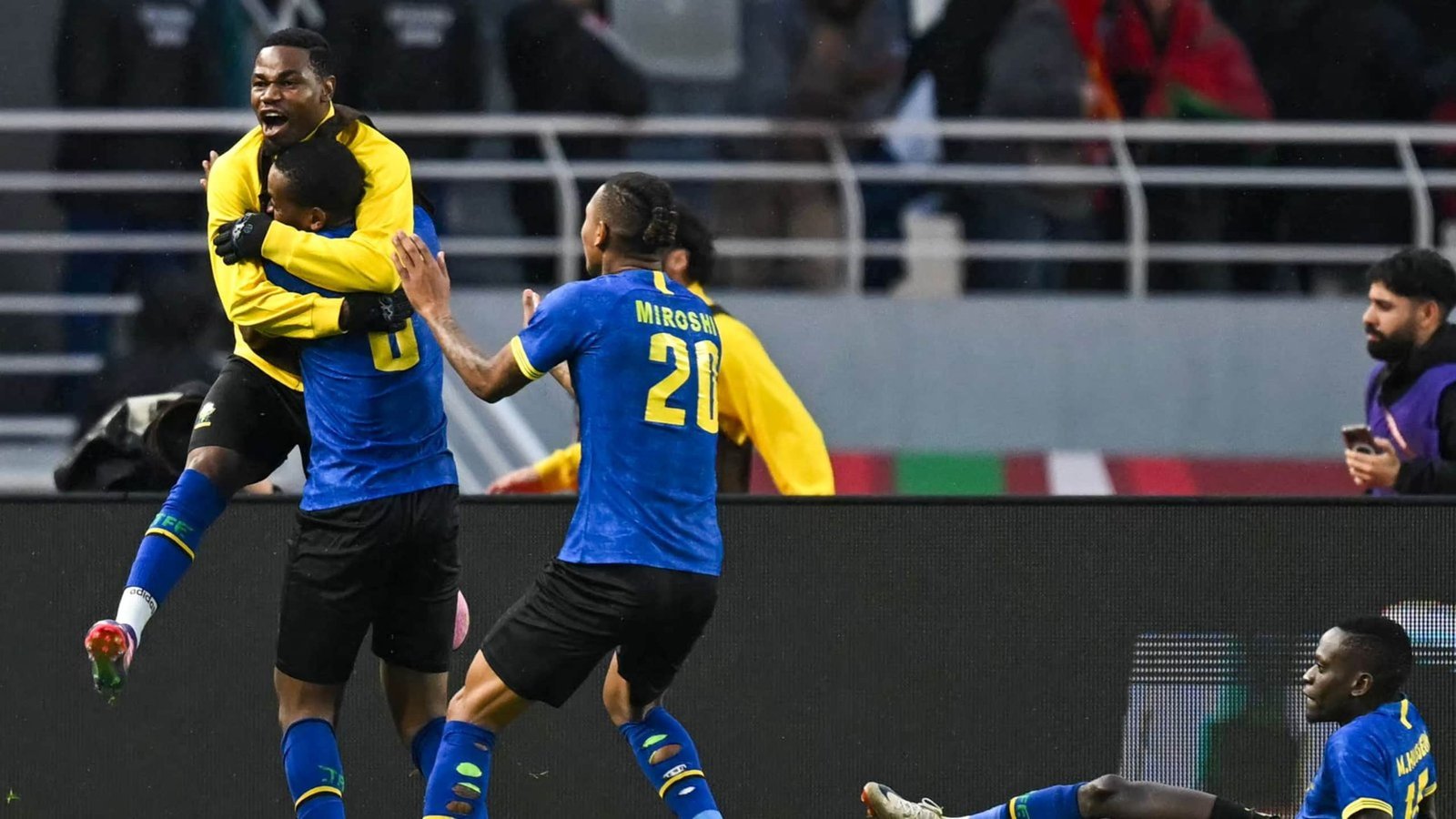
One of the key moments of the match was a swift counterattack led by Tanzania’s wingers, who utilized their pace expertly. This initiative culminated in a well-executed goal that not only put Tanzania on the scoreboard but also galvanized their players and supporters. The goal exemplified the team’s preparedness and ability to seize opportunities, proving that they could compete against one of the continent’s elite teams.
Beyond the tactical achievements, the psychological aspect of this performance should not be underestimated. Tanzania entered the match with little expectation of success, but their belief and unity allowed them to withstand pressure and execute their game plan effectively. This newfound confidence could mark a turning point for the team as they seek to build on this achievement in upcoming fixtures.
For Morocco, the result serves as a sobering reminder of the unpredictability of football. Despite holding a clear advantage on paper – from their skilled roster to superior international experience – Morocco was unable to assert dominance. Analysts have pointed out that complacency, coupled with Tanzania’s disciplined defending, played a significant role in the outcome. The Moroccan squad will need to regroup and address these issues quickly to avoid similar setbacks in future matches.
Fans across the region are already heralding Tanzania’s achievement as one of the notable surprises in recent African football history. Discussions on social media platforms praise the team’s work ethic and strategic maturity. Moreover, this performance is expected to boost football development within Tanzania by inspiring young talents and enhancing the sport’s popularity nationwide.
Looking ahead, Tanzania’s football federation may now feel encouraged to invest further in coaching, infrastructure, and international exposure to nurture this momentum. Meanwhile, Morocco will undoubtedly conduct a thorough review of their tactics and player selection to ensure they return stronger in their next outings.
Ultimately, this match exemplifies the beauty of the sport – where determination and smart coaching can level the playing field against even the most formidable adversaries. Tanzania’s extraordinary display against Morocco not only provided thrilling football but also sent a powerful message that with the right mindset and preparation, no team should be underestimated.